


Blog
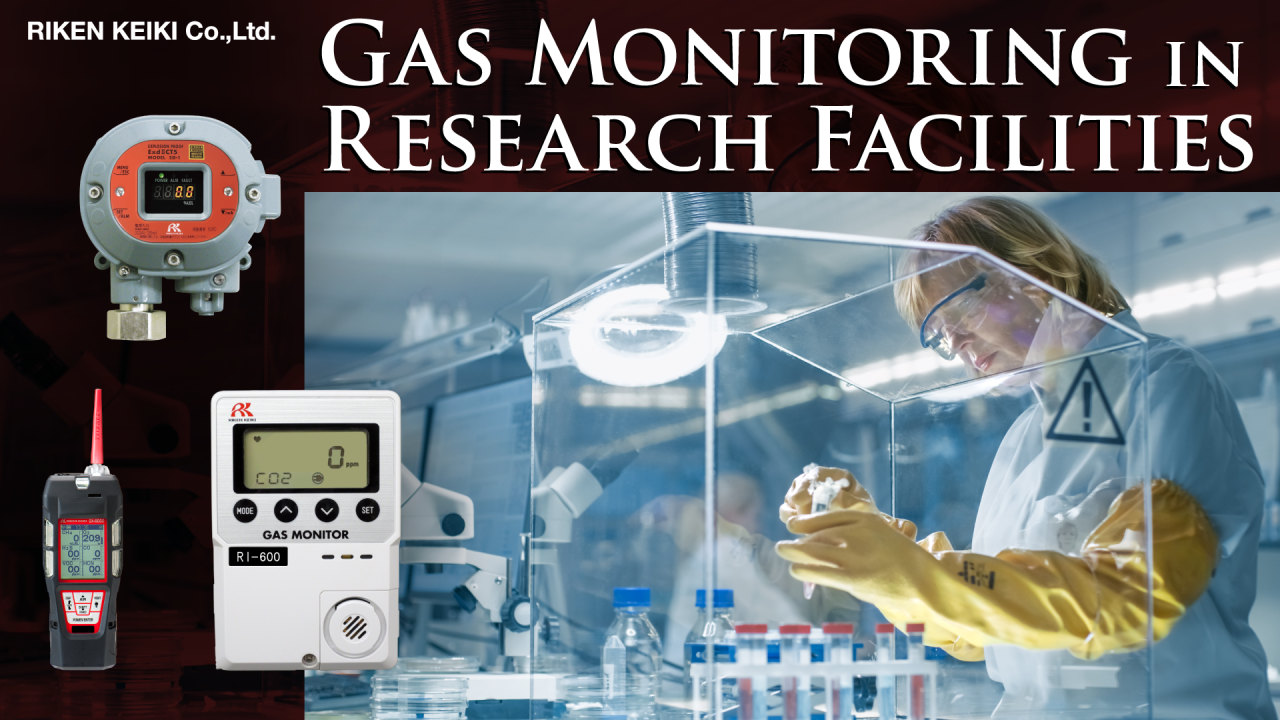
Gas Monitoring in Research Facilities
Gas monitoring is essential in research facilities, supporting safe innovation across industries like energy, semiconductors, and marine sectors.

Lithium-Ion Batteries and Gas Detection
Lithium-ion batteries power many devices today. Unlike disposable lithium batteries, they recharge by moving lithium ions between anode and cathode cells.

Remaining Compliant with New Flare Regulations: A Practical Approach
New flare gas rules aim at carbon neutrality.

Understanding Flammable Gases and Their Hazards: Ensuring Worker Safety with Gas Detectors
Flammable gases are vital yet risky in industry. This article explores their hazards, features, and key markets for production, storage, and use.

The Core Technology Behind Riken Keiki: "Optical Interferometric Method" and the Development Background of OHC-800 Calorimeter
Discover Riken Keiki’s history, tech strengths, and how the OHC-800 uses optical interferometry to measure gas calorific value with high precision.

The Weight of Gases: Important Considerations in Gas Detection
When installing fixed gas detectors, it's crucial to consider gas weight, as it affects where leaks accumulate and detection is most effective.


See Our Solutions in Action!

See Our Solutions in Action!

Want to hear from an expert?







Publications