


Blog
Posts filtered by tag:
portable detector

The Importance and Key Considerations of IP Codes When Choosing Gas Detectors
Learn why IP codes matter when choosing gas detectors. Discover how dust and water resistance ensure reliable performance and worker safety in harsh environments.

IDLH-Based Alarm Setpoints: Enhancing Safety with Portable Gas Detectors
IDLH alarm setpoints boost safety by alerting workers to toxic gases or low oxygen levels before they reach life-threatening concentrations.
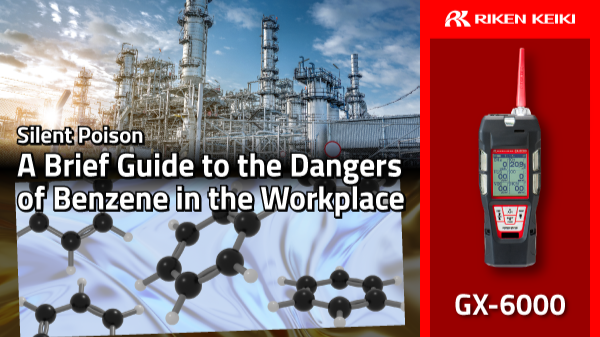
Silent Poison: A Brief Guide to the Dangers of Benzene in the Workplace
Benzene, a common yet hazardous industrial chemical, poses serious workplace risks.
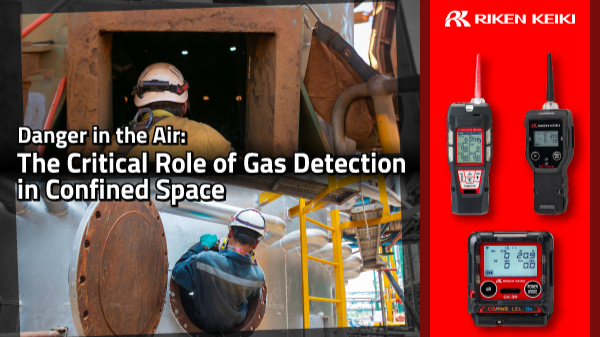
Danger in the Air: The Critical Role of Gas Detection in Confined Spaces
Confined spaces pose hidden dangers like toxic gas and low oxygen.

The Critical Yet Hazardous Gases Powering the Semiconductor Industry
Semiconductor manufacturing is vital to digital tech but involves complex, high-risk processes using specialized gases in extreme environments.
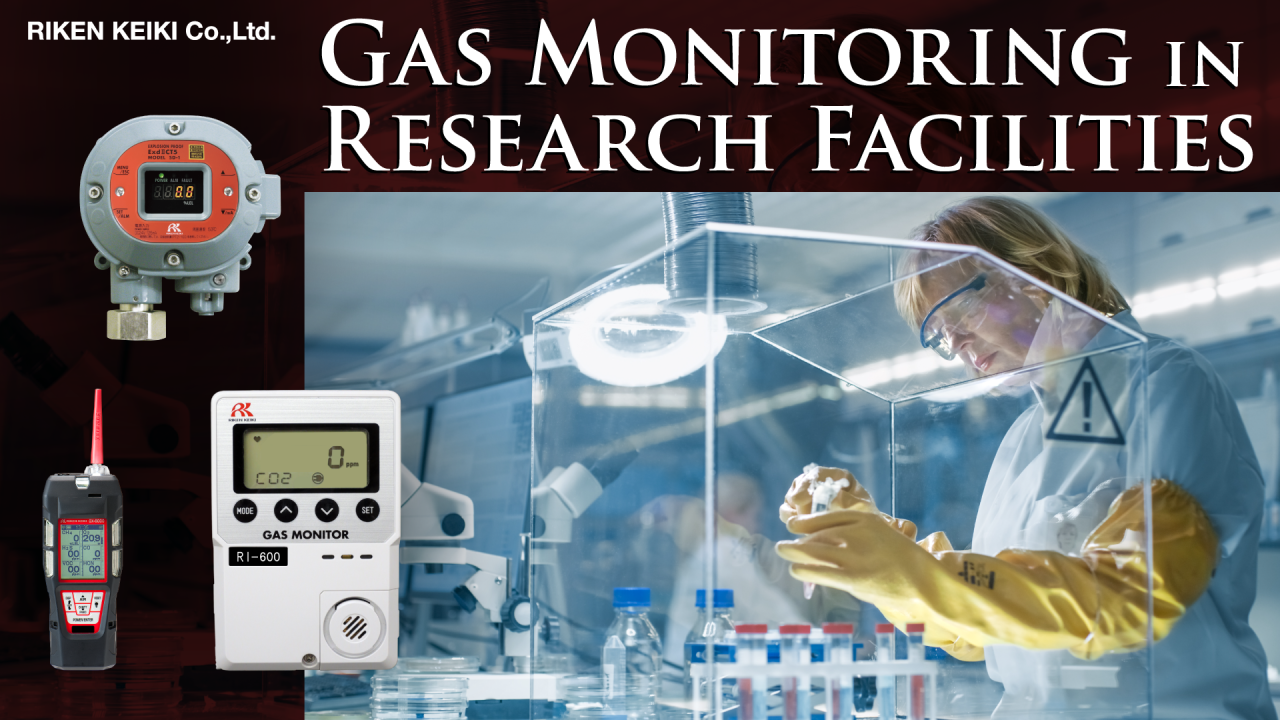
Gas Monitoring in Research Facilities
Gas monitoring is essential in research facilities, supporting safe innovation across industries like energy, semiconductors, and marine sectors.


See Our Solutions in Action!
Click Subscribe to Join Our Safety Community.

See Our Solutions in Action!
Click Subscribe to Join Our Safety Community.

Want to hear from an expert?
Our team will be happy to help. Let’s find the right solution for you.


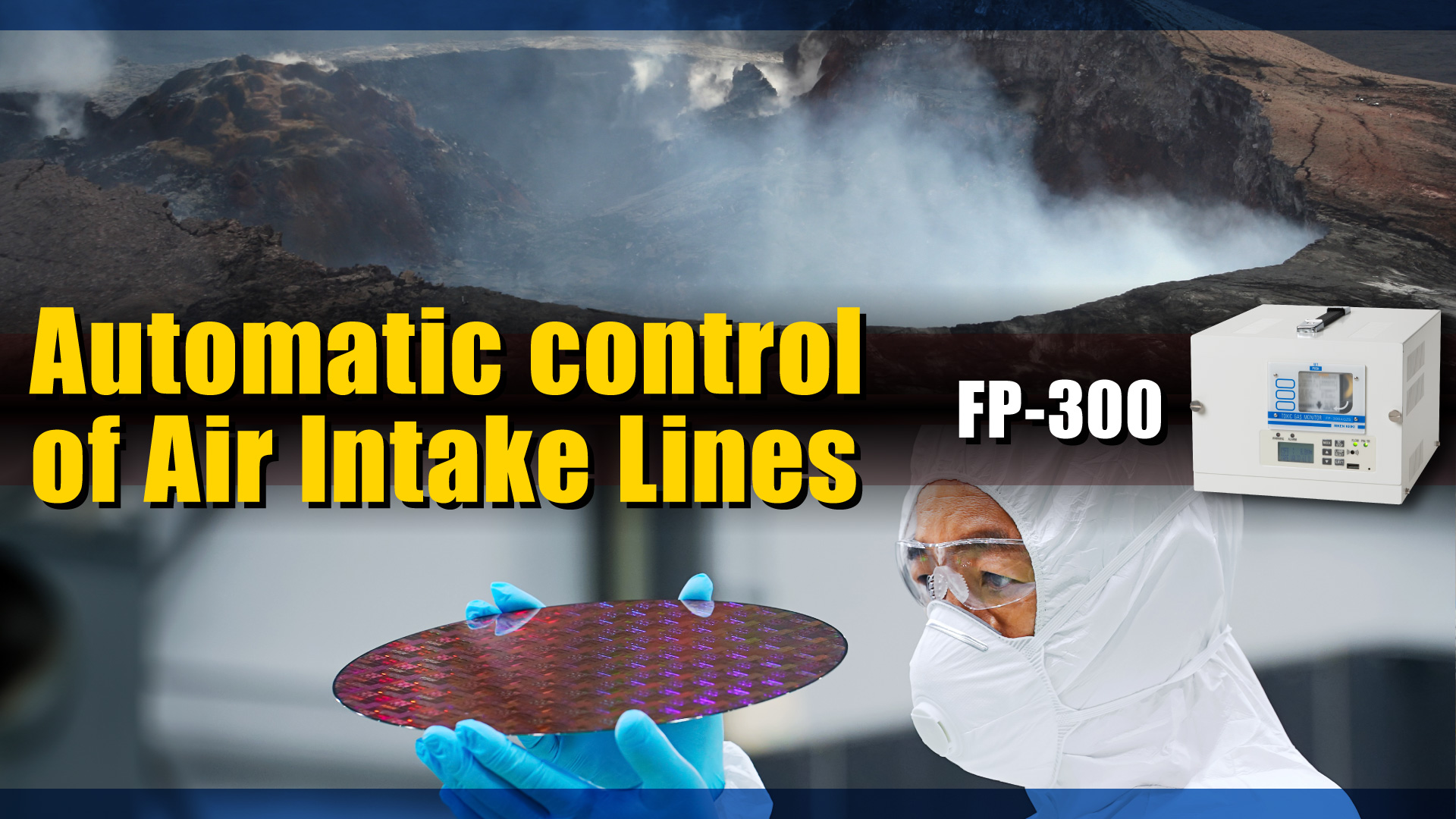




Publications

See how companies across different industries are using our advanced gas detectors to prevent accidents, ensure compliance, and enhance safety. Exclusive case studies inside!



Stay Informed