About RIKEN KEIKI

About Us
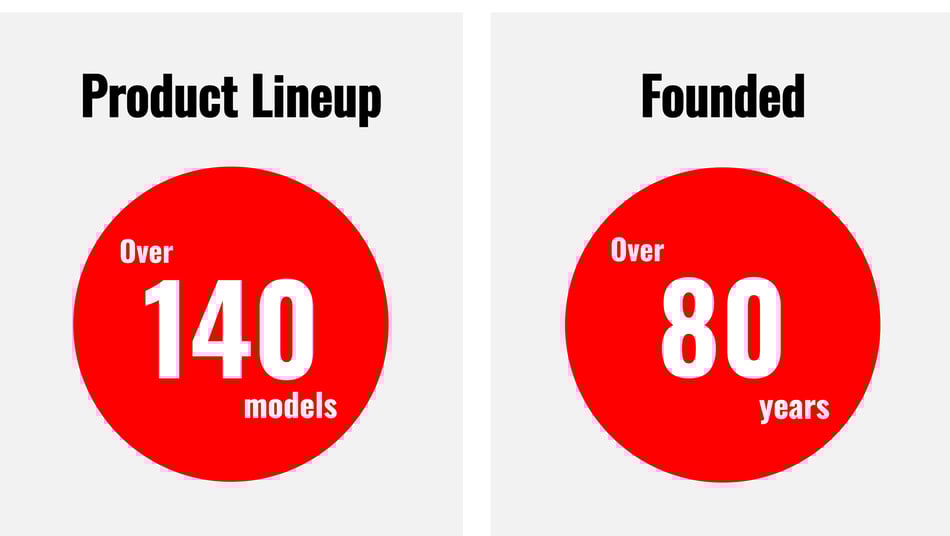
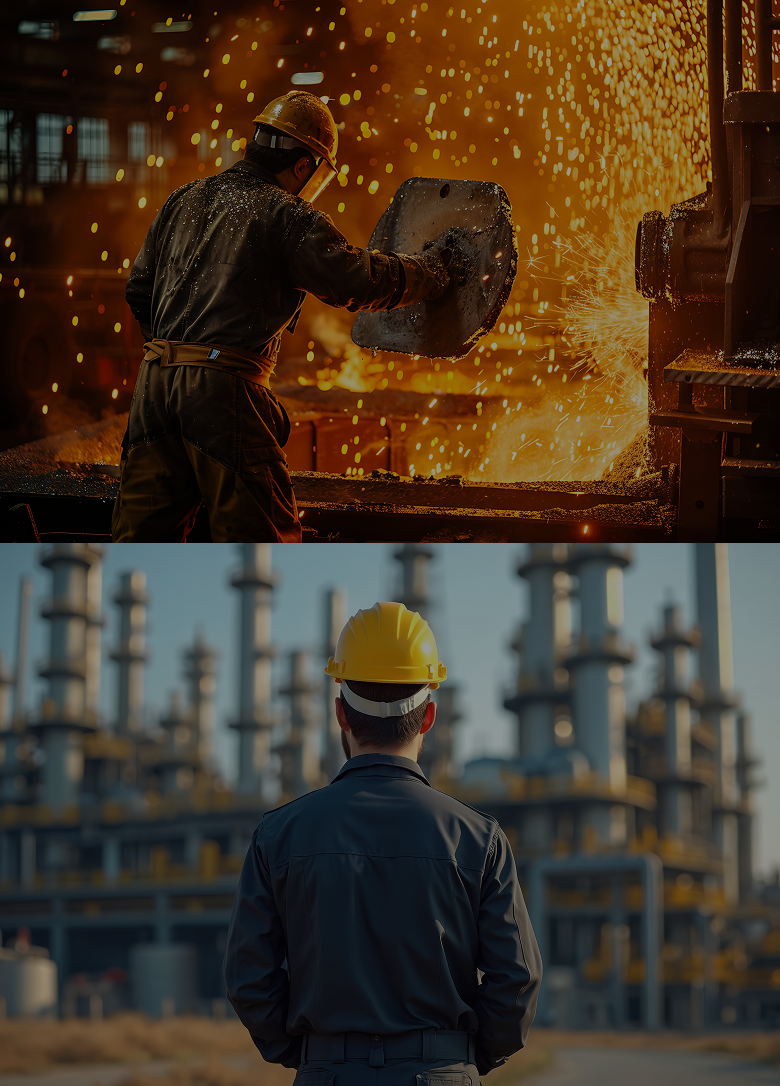
The Riken Keiki story began in 1939 in Japan, a country long known as a global leader in safety. For over 80 years we have continued to deliver gas sensing systems specifically designed to meet the unique needs of our customers. Our comprehensive solutions go beyond the sale of products and equipment, including thorough after-sales services such as maintenance and insights regarding further improvements. Only the latest, most cutting-edge sensors, developed entirely by Riken Keiki in house, make it into our products. Thanks to our top-of-the-line sensor technology and decades of experience, Riken Keiki is trusted by leading companies in the oil and gas, energy, semiconductor, marine and iron and steel industries worldwide and is firmly positioned as a leader in the global market.
At Riken Keiki, innovation never stops. Our advanced research and development initiatives enable us to provide increasingly precise gas detection technologies on the path to a more sustainable future, setting new standards for a safer tomorrow.

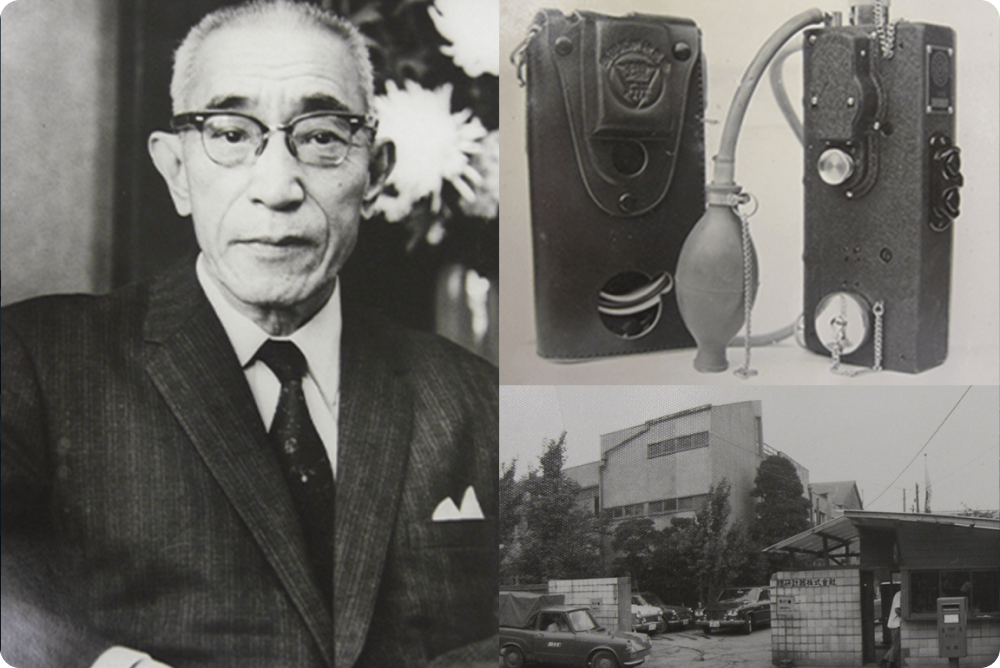
Our History