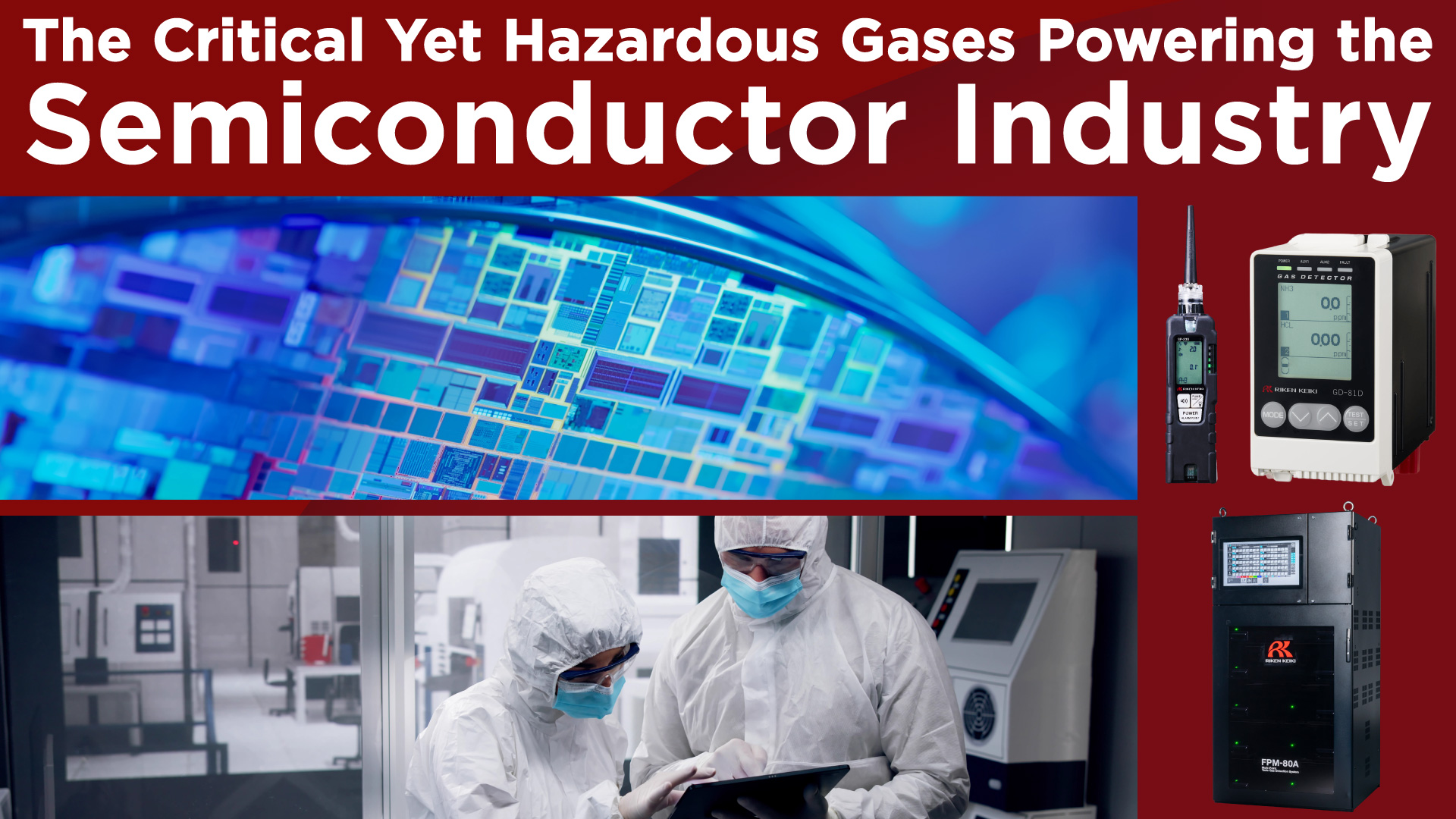
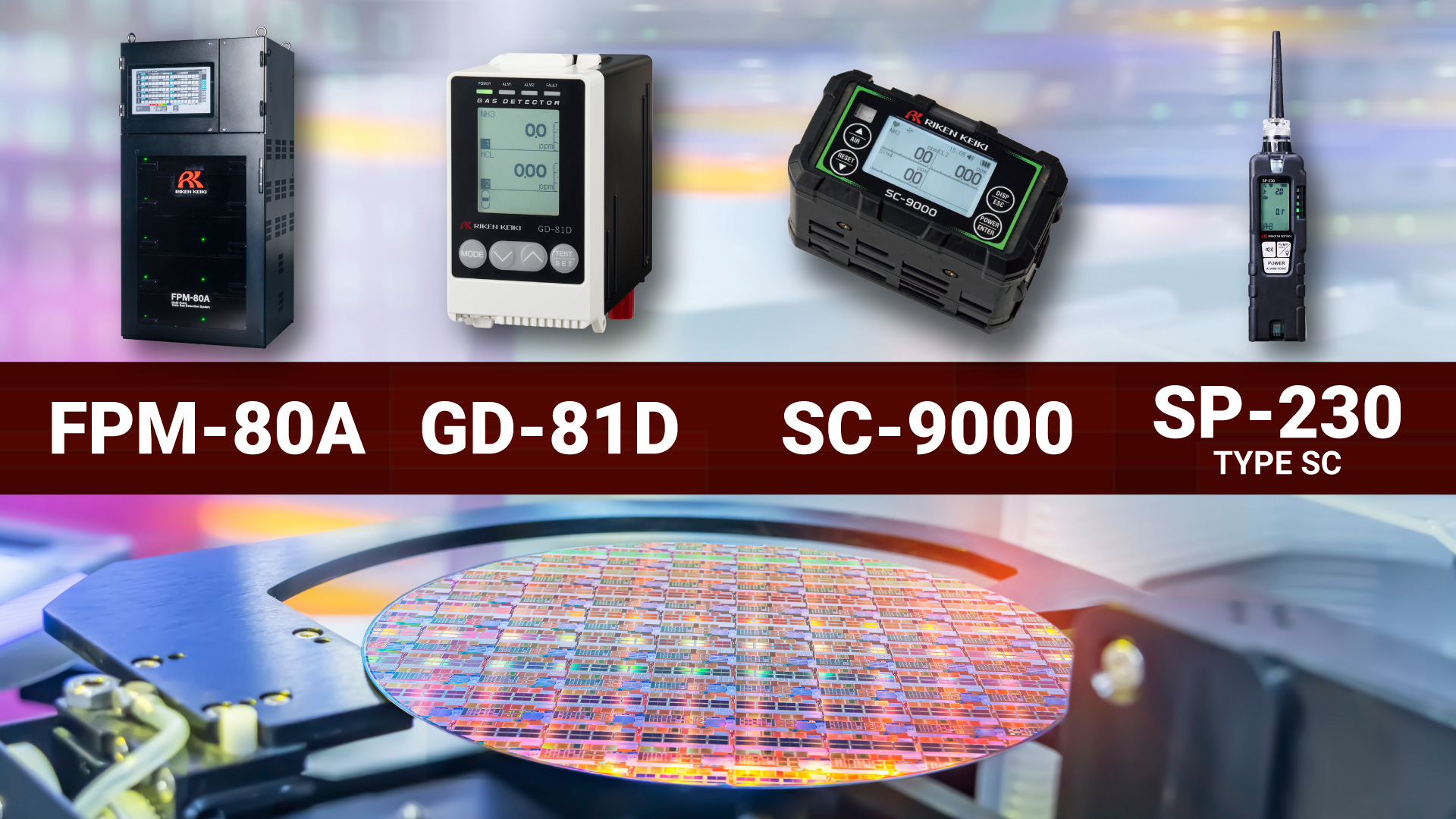
The Critical Yet Hazardous Gases Powering the Semiconductor Industry
Table of Contents
Overview: Semiconductor Manufacturing
Used in everything from smartphones to computers, automobiles, IoT devices and more, semiconductors play a crucial role in digital technology. As digital technology continues to grow, so does semiconductor manufacturing. But with increased semiconductor production comes greater complexity in the manufacturing process, posing additional risks. Semiconductor manufacturing requires the use of chemicals in high-temperature and high-vacuum environments, therefore raising concerns not only about worker safety but also regarding its potential negative impact on the environment.
The semiconductor manufacturing process can be broadly divided into four main stages: design, front-end processing, back-end processing and inspection. The process requires the use of specialized gases, especially during the front-end process, where steps such as wafer surface oxidation, thin film formation, photoresist coating, exposure and development, etching, resist stripping and cleaning occur. The gases used in these processes are rarely found in the natural environment and are manufactured by specialized gas suppliers through sophisticated chemical reactions and specialized manufacturing processes. In this article, we will provide an overview of these gases which play a crucial role in sustaining the core of the semiconductor industry.
Gases Used in Semiconductor Manufacturing
Semiconductor manufacturing requires the use of gases unlike those used in many other industries whose composition and purity must be adapted precisely to their specific purpose of use. In addition to semiconductors, these gases are likewise used in other applications such as the production of optical fiber, solar cells, and fine ceramics. Essential for the production of new materials and developments in technology, these highly specialized gases in turn require highly specialized management.
Here are some examples of gases used in the semiconductor manufacturing processes: Monosilane, disilane, phosphine, arsine, germane, hydrogen selenide, hydrogen fluoride.
Gas-Related Hazards in Semiconductor Manufacturing
・Flammability
・Corrosiveness
・Toxicity
Some gases known as toxic gases are harmful to the human body when inhaled or touched. In order to ensure the safety of workers exposed to these toxic gases, several guidelines and environmental standards have been established. TLV, or Threshold Limit Value, is widely known as an international standard indicating the airborne concentration of hazardous chemical substances. TLV has the following three indicators:
- TLV-TWA (Time-Weighted Average): The concentration averaged over 8 hours a day and 40 hours a week.
- TLV-STEL (Short-Term Exposure Limit): This indicates the 15-minute TWA exposure that should not be exceeded at any time during a workday, even if the 8-hour TWA is within the TLV-TWA.
- TLV-C (Ceiling): The concentration that should not be exceeded during any part of the working exposure.
Many gases used in semiconductor manufacturing including arsine and monosilane are classified as toxic gases, and as such they are subject to extremely low TLV concentration values.
Considering the risks mentioned above, it is imperative that each country establish its own set of guidelines to monitor gas concentration levels and ensure the safety of semiconductor manufacturing as well as industry growth.
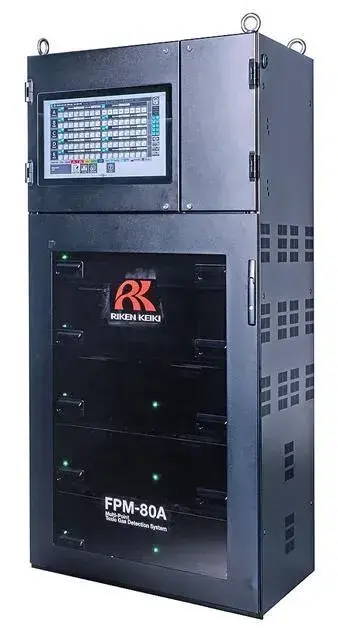
Solution : Our Gas Detectors
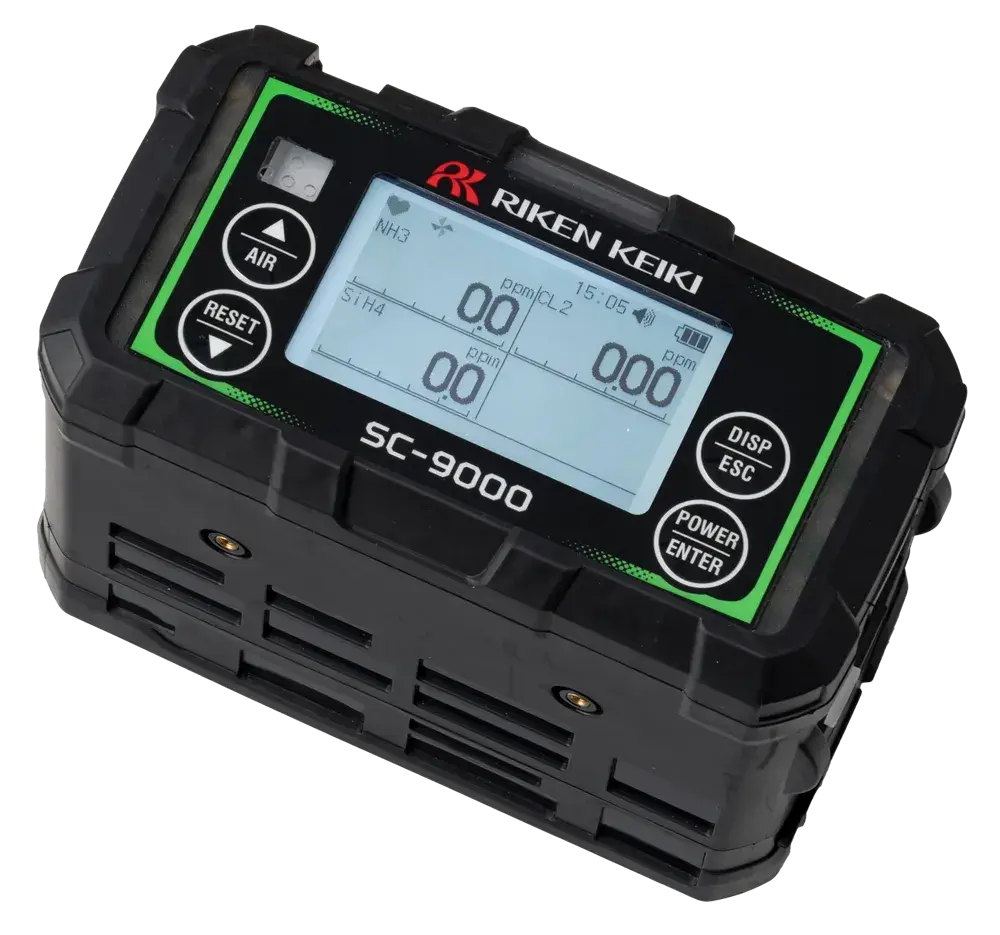
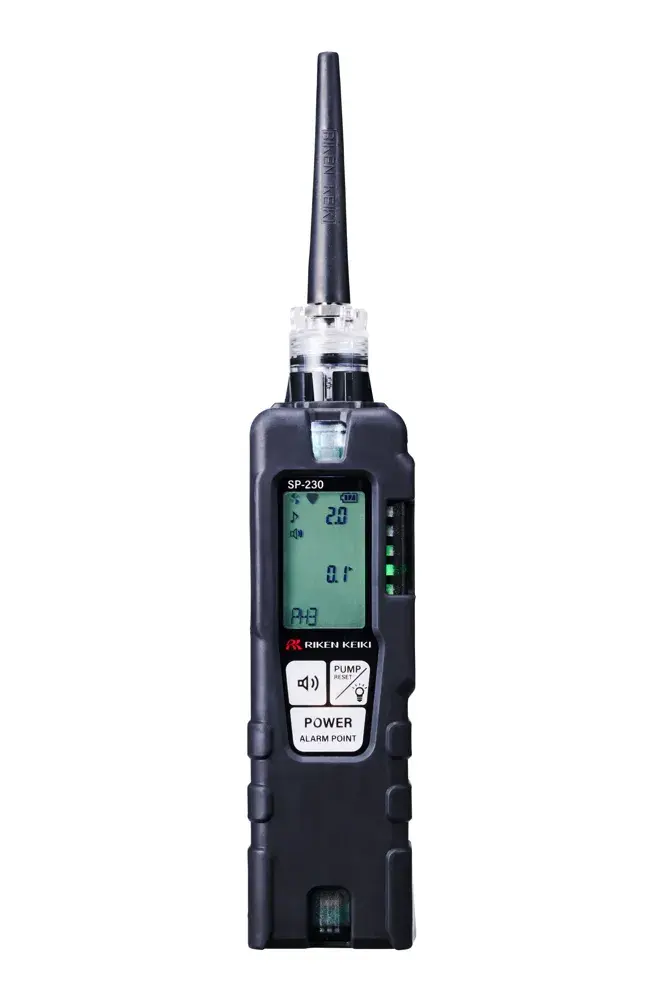
・Portable Multi Toxic Gas Detector SC-9000
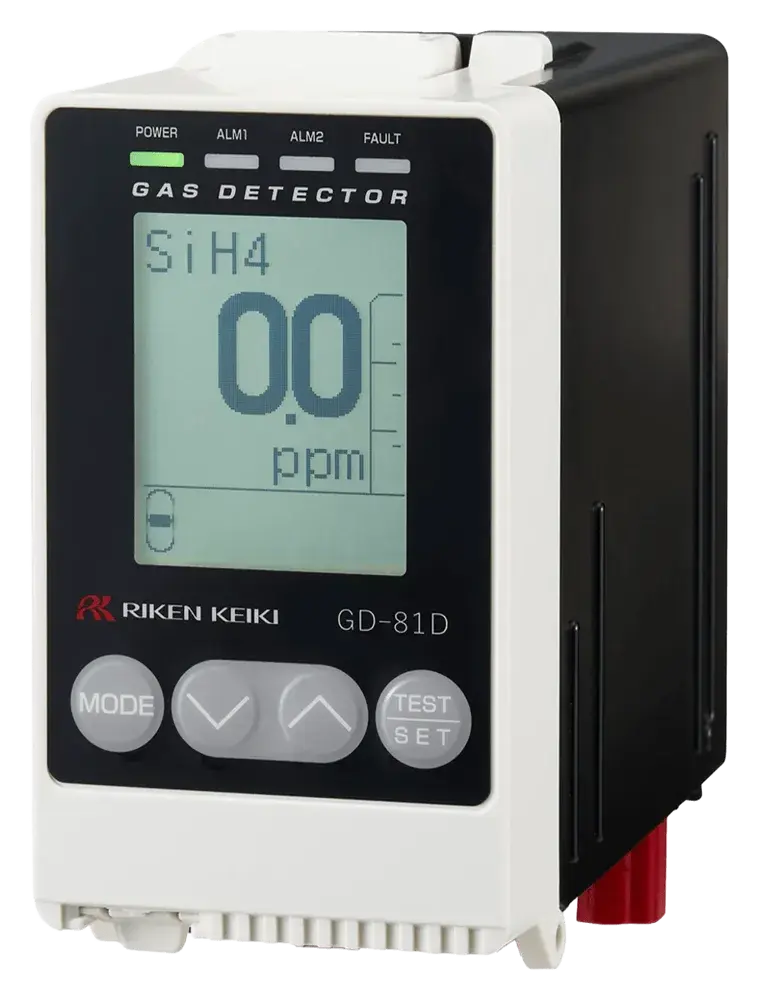
・Portable Gas Leak Checker SP-230 TYPE SC (for semiconductor material gas)
・Intelligent Gas Detector GD-70D
PRODUCTS
Product type |
Fixed Gas Detector |
|---|---|
Applications |
|
single/multi |
Single |
Product type |
Portable Gas Detector |
|---|---|
Applications |
|
single/multi |
Multi |
Product type |
Portable Gas Detector |
|---|---|
Applications |
|
single/multi |
Multi |
Want to hear from an expert?
You may also be
interested in
The Importance and Key Considerations of IP Codes When Choosing Gas Detectors
Learn why IP codes matter when choosing gas detectors. Discover how dust and water resistance ensure reliable performance and worker safety in harsh environments.
Heavy Fuel Oil and LNG
Heavy fuel oil powers global shipping with efficiency, affordability, and safety—maximizing cargo space and enabling long-distance voyages.
Gas Monitoring for a More Sustainable Society
Riken Keiki aids sustainability with gas monitors, supporting circular economy efforts and eco-friendly manufacturing practices.
Publications