
Skip to content
image-Mar-07-2025-08-17-42-8518-AM image-Jul-09-2025-12-46-39-7512-PM

Understanding Gases and
the Importance of Gas Detection

Gas-specific Properties
CH4-1

Methane

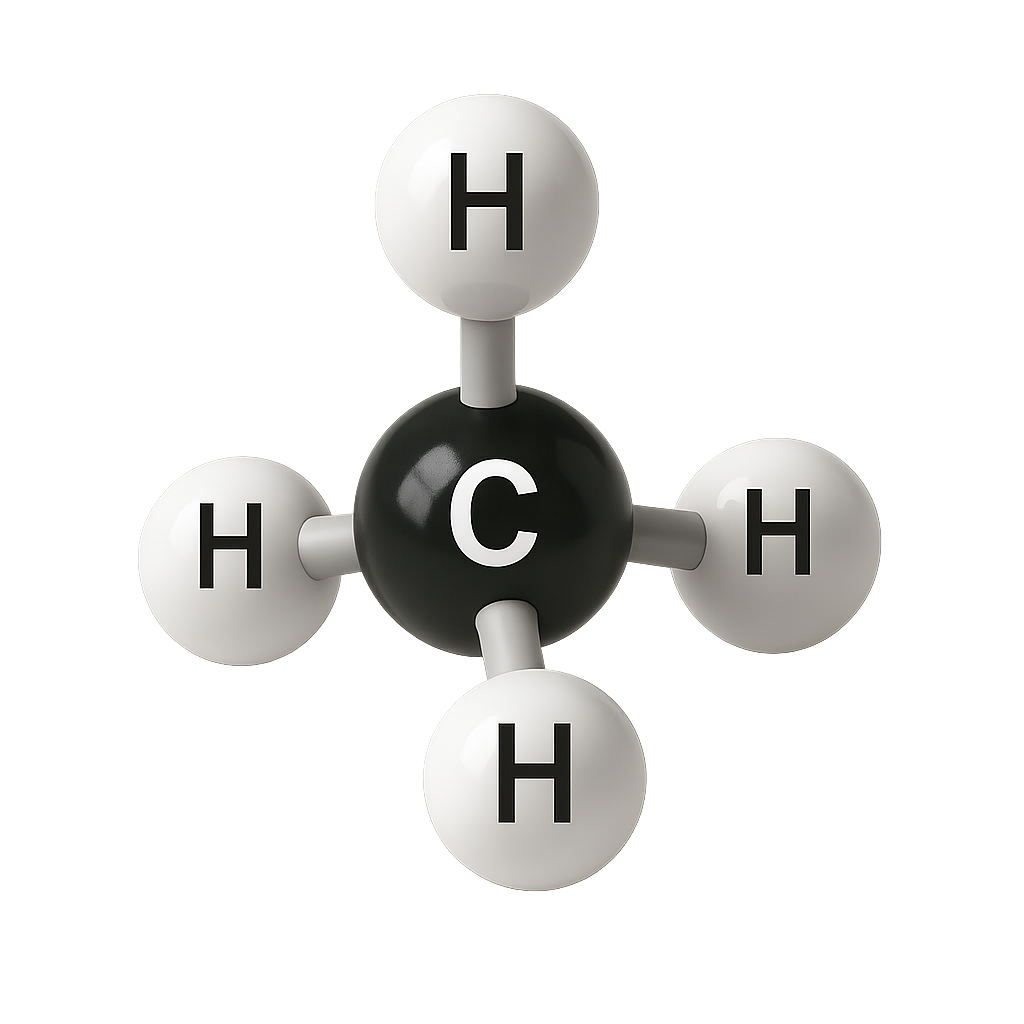
Methane is a combustible gas which constitutes the main component of widely used fuels such as natural gas and liquefied natural gas (LNG). This important gas is relevant not only to the energy and infrastructure sectors, but also a wide range of other industries due to environmental concerns.
O2

Oxygen

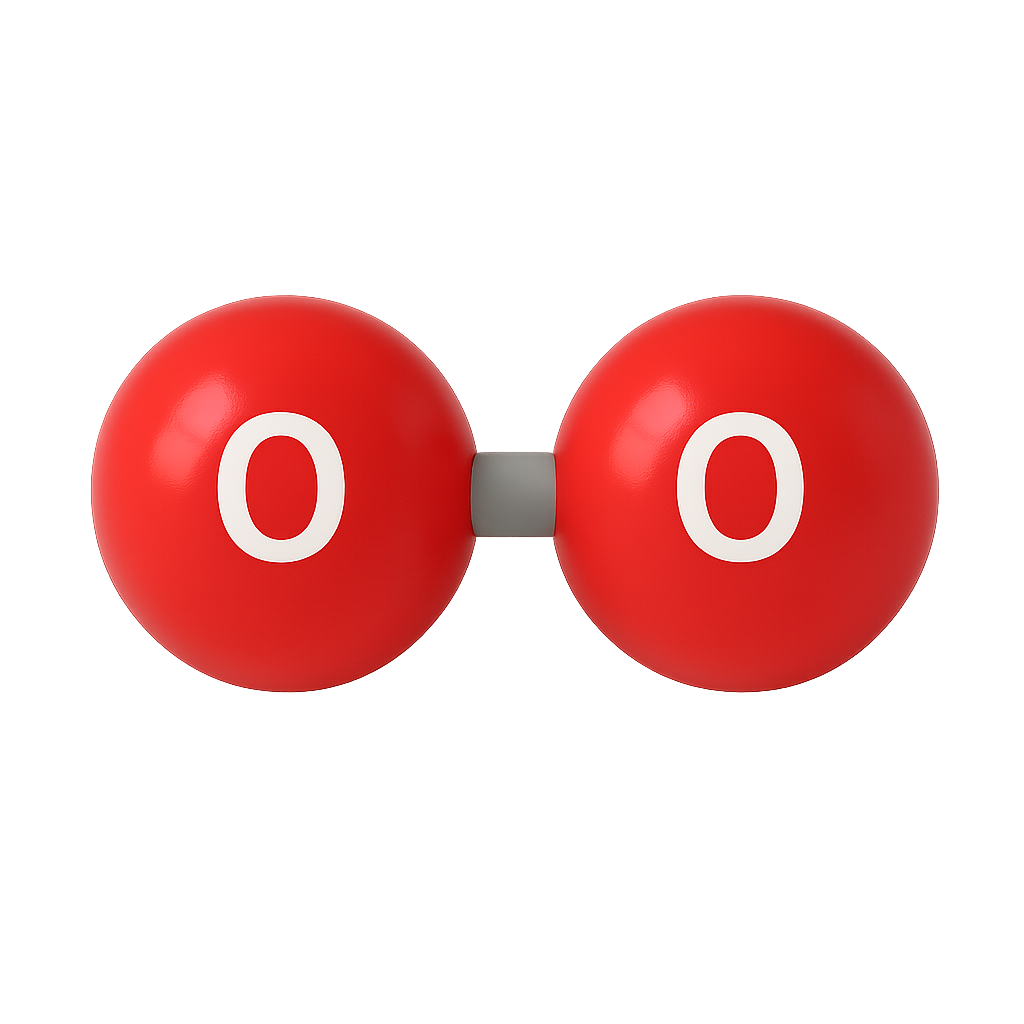
Normally making up approximately 20.9% of the air around us, oxygen is one of the most common gases in existence. It is the concentration of oxygen in the air that makes human life itself possible. Detecting oxygen levels in the air is therefore an essential part of ensuring worker safety.
CO

Carbon Monoxide

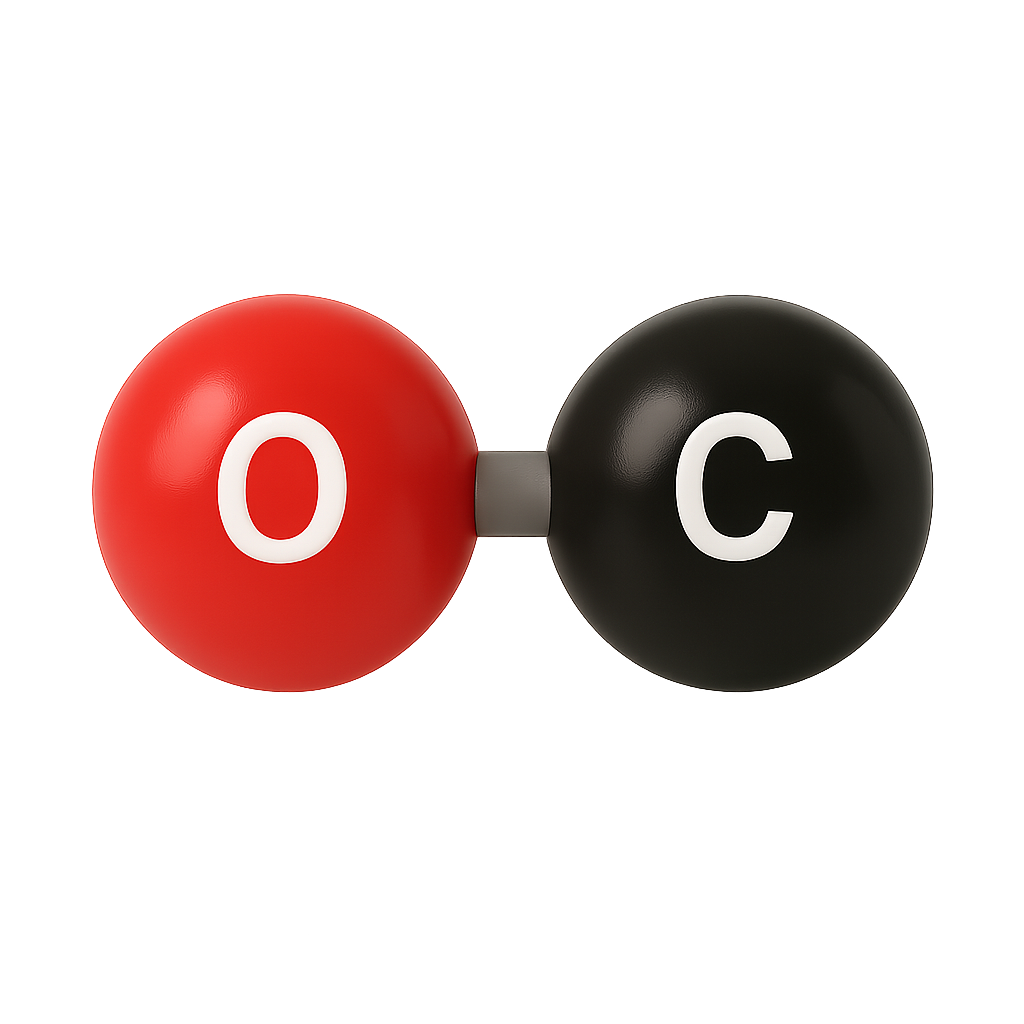
Carbon monoxide is a poisonous gas formed by the incomplete combustion of carbon-containing substances. Care must be taken to mitigate the risk of carbon monoxide poisoning in work environments where substances such as gasoline and natural gas are used.
H2S

Hydrogen Sulfide

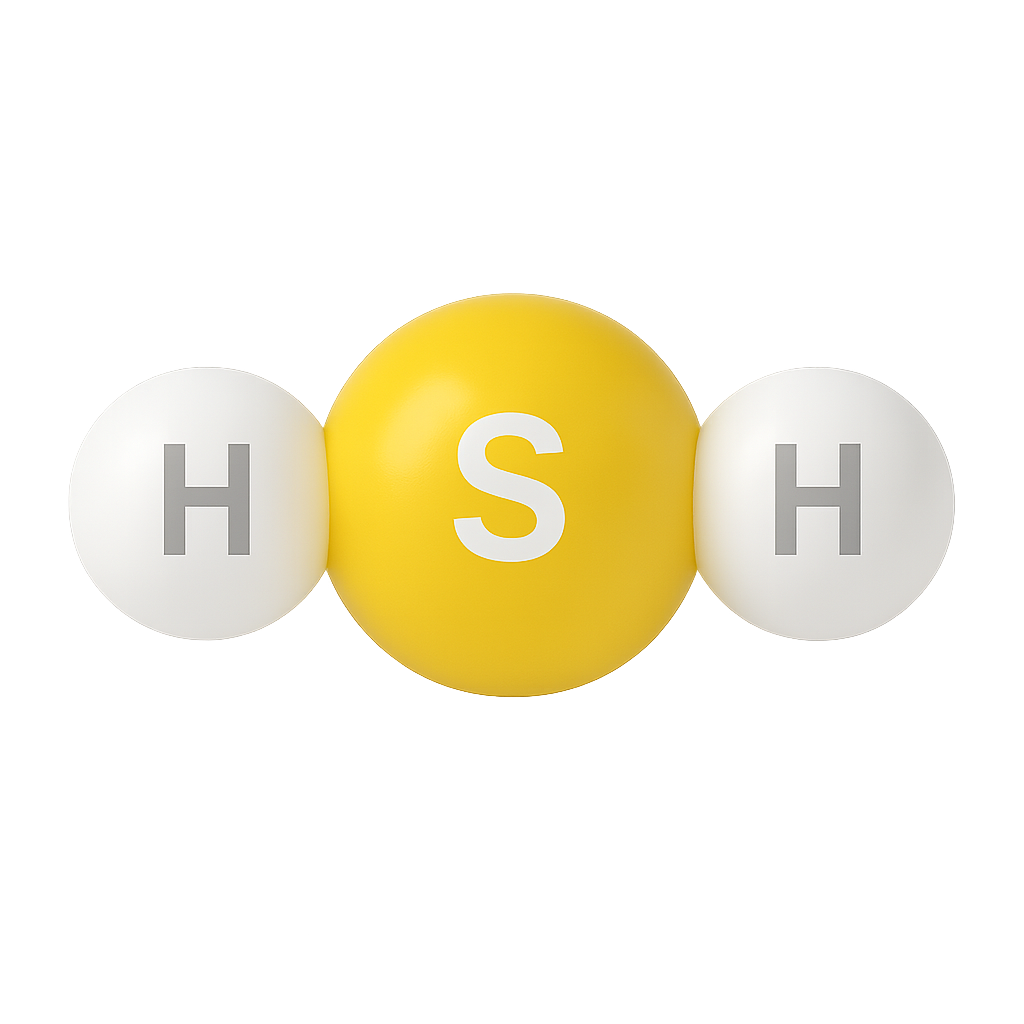
Hydrogen sulfide is a toxic gas often found near plants that work with sulfur compounds and workplaces where stagnant wastewater is commonly found.
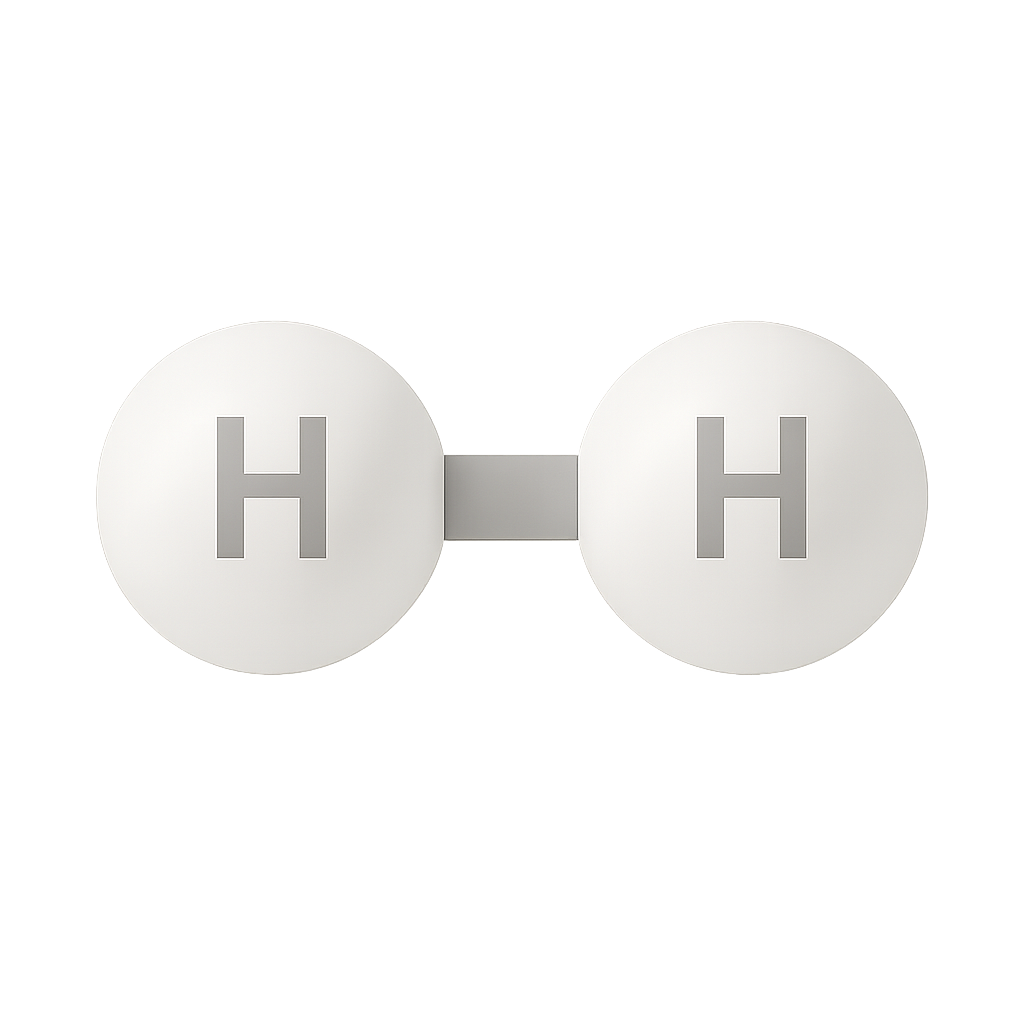
H2

Hydrogen

Hydrogen is a versatile combustible gas used in a wide variety of industries, but which can also be very difficult to use safely. It has, at the same time, gained attention in recent years for its potential as an environmentally-friendly fuel.
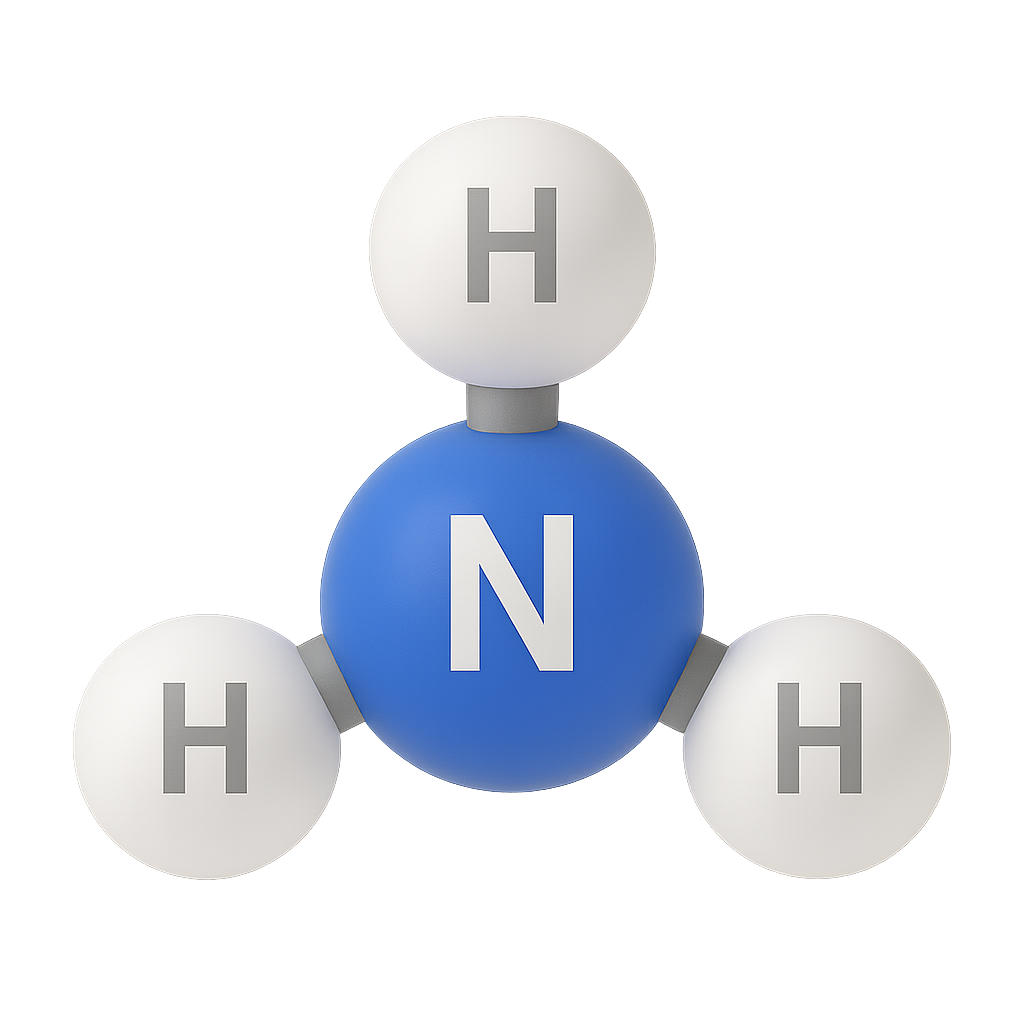
NH3

Ammonia

Although widely used in various industries, ammonia is both a combustible and toxic gas, meaning it is also associated with its fair share of hazards. Nevertheless, ammonia has garnered attention in recent years for its potential applications in the energy sector.
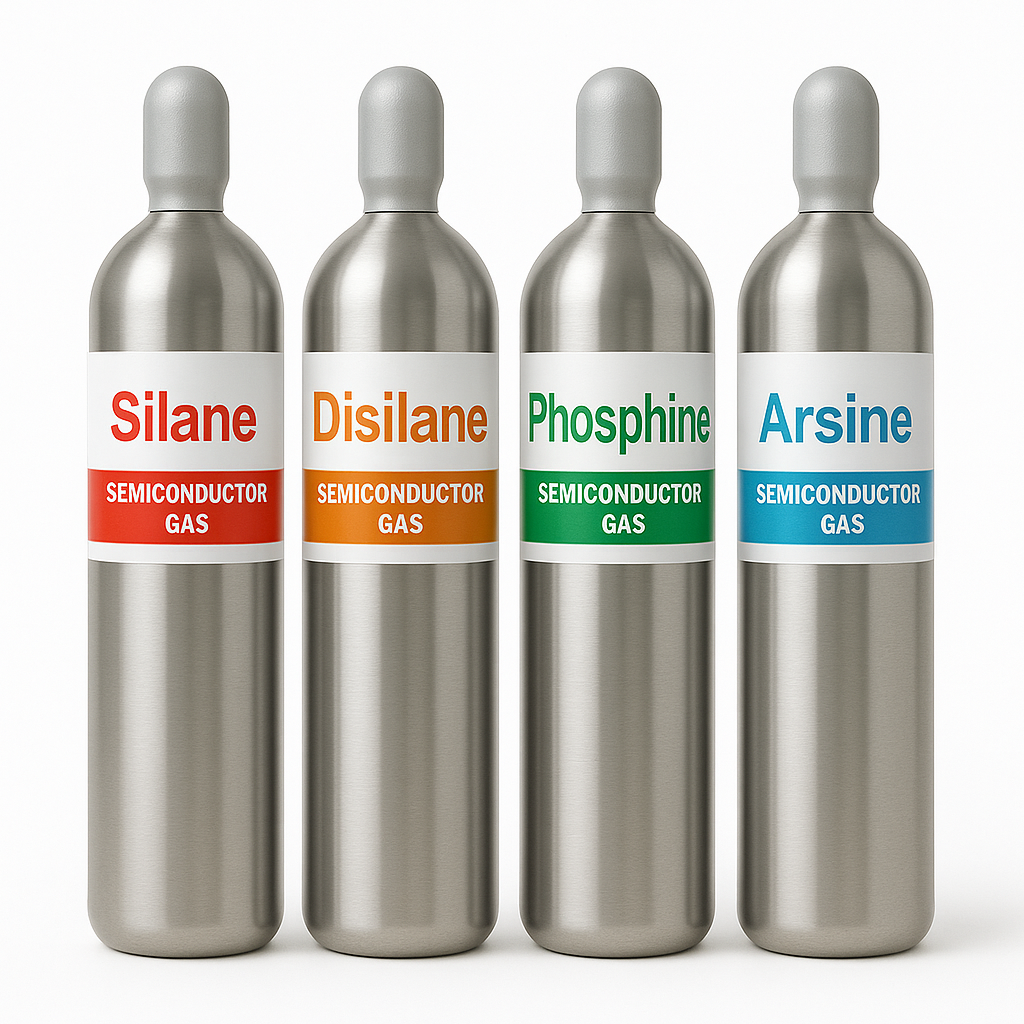
Special gas for semiconductor

Special gases in semiconductor fab

These gases emerged alongside the production and technological development of new materials, such as semiconductors and optical fibers. Handling them requires careful attention.
Combustible Gases
Combustible gases can ignite and explode only when present at certain specific concentrations in the air. The minimum concentration of a specific gas at which combusion can occur is referred to as the Lower Explosive Limit (LEL) for that gas. Gas alarms are set to go off before this concentration of combustible gas is reached in the air around them, ensuring safety in the work environment at all times.
0%vol Vol/100%LEL 100%vol
H2 4%vol
=100%LEL
CH4 5% vol
=100%LEL
Image is for illustration purposes.

Combustible gas list (e.g.)

Gas name Chemical formula Flash point (°C) Ignition
temperature (°C)
Explosion limit (vol%) Specific gravity
Lower limit Upper limit
Acetylene C₂H₂ gas 305 1.5 100 0.9 (gas)
Acetone C₃H₆O -20 539 2.15 14.3 0.8
Isobutane C₄H₁₀ gas 460 1.8 9.8 0.6
Ethanol C₂H₆O 12 400 3.3 19 0.8
Ethane C₂H₆ gas 515 3.0 15.5 1.0 (gas)
Ethylene C₂H₄ gas 440 2.7 36.0 1.0 (gas)
Ortho-xylene C₈H₁₀ 30 470 — — 0.9
Ethyl acetate C₄H₈O₂ -4 470 2.1 12.8 0.9
Cyclohexane C₆H₁₂ -17 245 1.3 8.3 0.8
Cyclopentane C₅H₁₀ -37 320 1.4 — —
Dimethyl ether C₂H₆O gas 240 3.0 32 —
Hydrogen H₂ gas 560 4.0 75 0.07 (gas)
Styrene C₈H₈ 30 490 1.1 8.0 0.9
Tetrahydrofuran C₄H₈O -14 230 1.8 12.4 0.9
Toluene C₇H₈ 4 530 1.2 7.8 0.9
1,3-Butadiene C₄H₆ gas 420 1.1 16.3 0.6
Propane C₃H₈ gas 450 2.0 10.9 1.6 (gas)
Propylene C₃H₆ gas 455 2.0 11.1 —
n-Hexane C₆H₁₄ -22 223 1.2 7.5 0.7
n-Heptane C₇H₁₆ -7 204 1.1 6.7 0.7
Benzene C₆H₆ -11 498 1.2 8.6 0.9
Methyl methacrylate C₅H₈O₂ 10 430 1.7 12.5 0.9
Methanol CH₄O 9 440 5.5 36 0.8
Methane CH₄ gas 600 5.0 15.0 0.6
Methyl isobutyl ketone C₆H₁₂O 16 475 1.2 8.0 0.8
Toxic Gases
Gases which are harmful to human health when inhaled or touched are known as toxic gases. TLVs (Threshold Limit Values) are international standards which set upper limits on the concentration of these gases in the air to which it is believed that almost all workers can be exposed without adverse health effects. Using the right gas detection equipment for the work environment allows us to maintain appropriate working conditions and ensure worker safety.
Target Gas Chemical Formula ACGIH
TLV
TWA STEL C
Arsine AsH3 5ppb – –
Phosphine PH3 0.05ppm – 0.15ppm
Diborane B2H6 0.1ppm – –
Silane SiH4 5ppm – –
Disilane Si2H6 – – –
Germane GeH4 0.2ppm – –
Hydrogen selenide H2Se 0.05ppm – –
Nitrogen trifluoride NF3 10ppm – –
Boron tribromide BBr3 – – 0.7ppm
Arsenic trichloride AsCl3 – – –
Arsenic pentachloride AsCl5 – – –
Boron trichloride BCl3 – – 0.7ppm
Germanium tetrachloride GeCl4 – – –
Molybdenum pentachloride MoCl5 – – –
Phosphorus trichloride PCl3 0.2ppm 0.5ppm –
Phosphorus pentachloride PCl5 0.1ppm – –
Phosphoryl chloride POCl3 0.1ppm – –
Antimony pentachloride SbCl5 – – –
Silicon tetrachloride SiCl4 – – –
Dichlorosilane SiH2Cl2 – – –
Trichlorosilane SiHCl3 – – –
Tin tetrachloride SnCl4 – – –
Tungsten hexachloride WCl6 – – –
Tungsten hexafluoride WF6 – – –
Arsenic trifluoride AsF3 – – –
Arsenic pentafluoride AsF5 – – –
Boron trifluoride BF3 0.1ppm – 0.7ppm
Molybdenum hexafluoride MoF6 – – –
Phosphorus pentafluoride PF5 – – –
Sulfur tetrafluoride SF4 – – 0.1ppm
Silicon tetrafluoride SiF4 – – –
Hydrogen chloride HCl – – 2ppm
Hydrogen fluoride HF 0.5ppm – 2ppm
Hydrogen bromide HBr – – 2ppm
Hydrogen iodide HI – – –
Chlorine Cl2 0.1ppm 0.4ppm –
Fluorine F2 – – 0.5ppm
Bromine Br2 – 0.2ppm –
Chlorine trifluoride ClF3 – – 0.1ppm
Ozone O3 0.1ppm – –
Nitric oxide NO 25ppm – –
Nitrogen dioxide NO2 0.2ppm – –
Sulfur dioxide SO2 – 0.25ppm –
Hydrogen sulfide H2S 1ppm 5ppm –
Carbon monoxide CO 25ppm – –
Ammonia NH3 25ppm 35ppm –
Monomethylamine (MMA) CH5N 5ppm – –
Dimethylamine (DMA) C2H7N 5ppm 15ppm –
Trimethylamine (TMA) C3H9N 5ppm 15ppm –
Diethylamine (DEA) C4H11N 5ppm 15ppm –
Hydrogen cyanide HCN – – –
Hydrogen peroxide H2O2 1ppm – –

※ Permissible exposure limits recommended by the ACGIH (American Conference of Governmental Industrial Hygienists) as outlined in the 2019 TLVs® and BEIs guidelines.

※ TWA (Time Weighted Average): The time-weighted average concentration to which a worker can be repeatedly exposed over a standard 8-hour workday and 40-hour workweek without adverse health effects.

※ STEL (Short Term Exposure Limit): The concentration to which workers can be exposed continuously for a short period (no more than 15 minutes), no more than 4 times per day with at least 1 hour between exposures, without causing adverse health effects.

※ C (Ceiling): The concentration that must not be exceeded at any time, even momentarily.

Specific Gravity of Gas

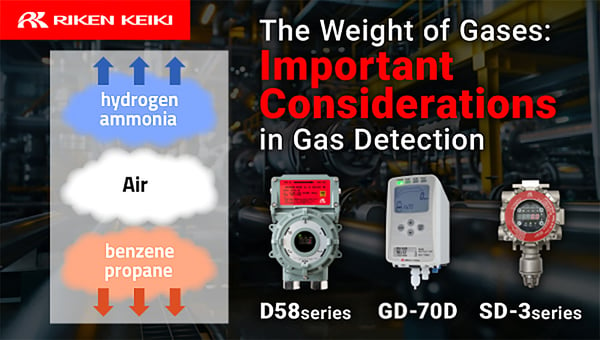
When choosing the right gas detector for your needs, it is important to consider factors such as the properties and location of the gas(es) you want to detect, as well as their concentration and the location where the gas detector will be installed. It is essential to select the right gas detector and the appropriate location, and this cannot be done without considering the weight of the gas(es) to be detected. In the same way that ice placed in a glass of water will float rather than sink, some gases will float to the top of a room when released into the air. This occurs because each type of gas has a different weight.

0 15~
1(Air)
H2 0.089
NH3 0.59
H2S 1.189
Image is for illustration purposes.

The specific gravity of a gas is also an important factor in determining the installation location of gas detectors.
For further details, please refer to the column below.

the-weight-of-gases


inquire_slash

Want to hear from an expert?

Our team will be happy to help. Let’s find the right solution for you.

Product Application Case Studies

case_img-1
To help prevent accidents, we publish information on a wide range of gas detector applications and examples of installed configurations. This information can be searched for by gas type (multiple search parameters can be selected).

case_img-1