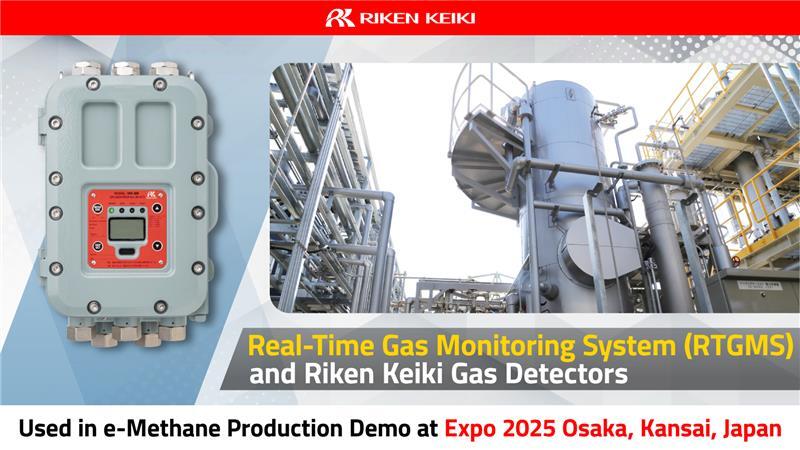
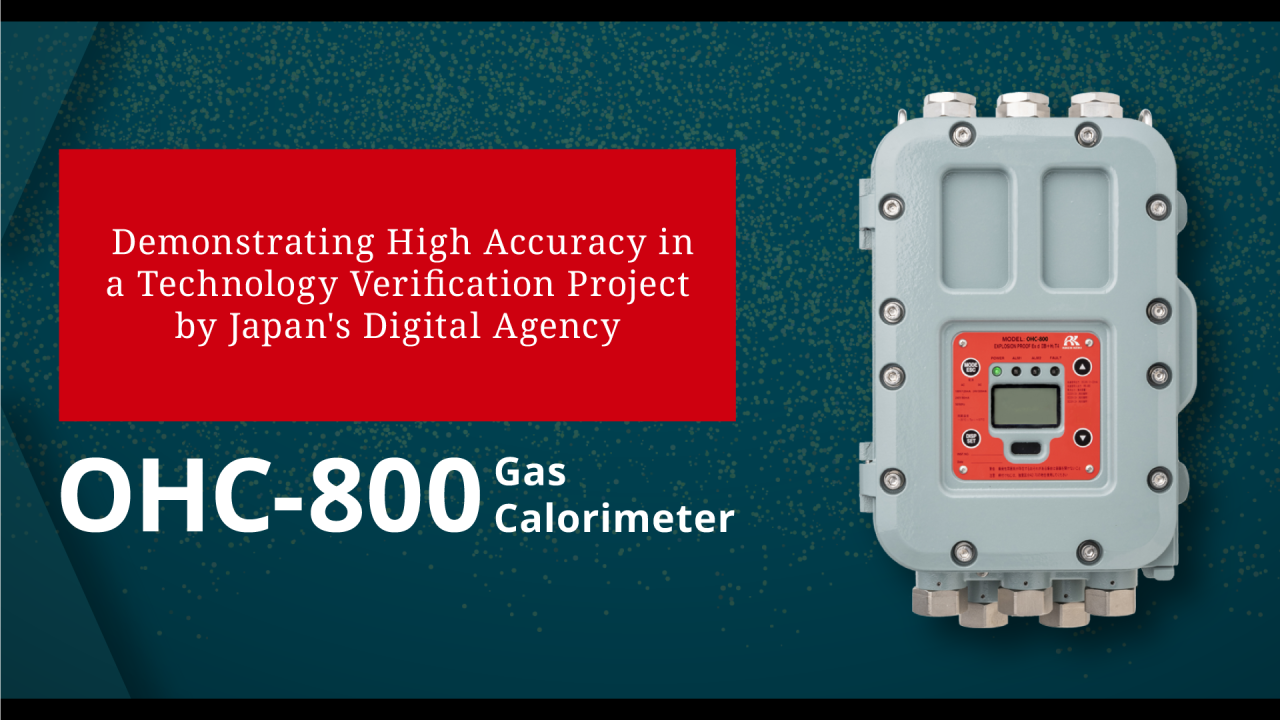
OHC-800 Explosion-Proof Gas Calorimeter and Riken Keiki Gas Detectors Used in e-Methane Production Demo at Expo 2025 Osaka, Kansai, Japan
Table of Contents
A global pioneer in the gas detection industry for close to a century, Japanese manufacturer Riken Keiki first caught the world’s attention at the 1937 Paris World Exposition with the exhibit of the RIKEN Gas Detector , developed to prevent explosions in coal mines, where it was met with high acclaim for its innovative compact, lightweight yet robust design. Now, almost 100 years later, the latest in Riken Keiki technology takes the spotlight once again at the World Fair, this time closer to home in Osaka, Japan.
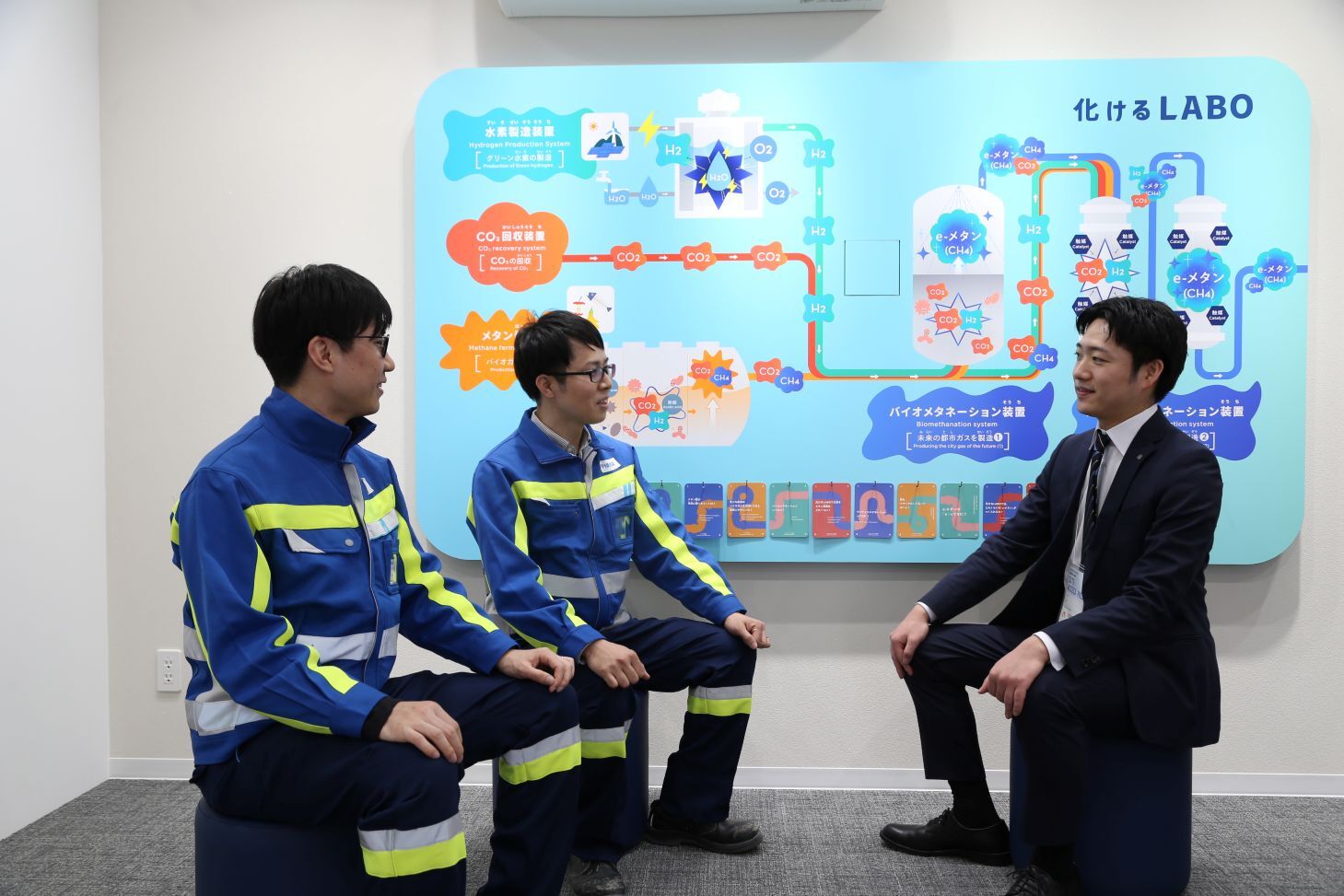
Riken Keiki hits the World Fair once again at Expo 2025 Osaka, Kansai, where our explosion-proof gas calorimeter and other gas detection equipment was used in an e-methane production demonstration facility constructed by Osaka Gas, Co., Ltd. which uses food waste from the venue to produce synthetic methane via a process called methanation. Osaka Gas heads the Daigas Group , which carries out a diverse range of business operations across three core segments: Domestic Energy, International Energy and Life & Business Solutions. With the overarching aim of achieving carbon neutrality by the year 2050, the group is currently pursuing a number of green initiatives, particularly the use of methanation to promote decarbonization in the production of methane, the primary component of city gas.
Today we had the pleasure of speaking to an engineer from the company’s Gas Production & Engineering Division to learn more about the demonstration project itself and how our products were used, as well as the deciding factors in choosing our products for the project.
Production of Carbon Neutral e-Methane from Food Waste at the Expo Venue
── About the Methanation Demo at Expo 2025 Osaka, Kansai, Japan
This demonstration shows how a technology known as methanation can be used to synthesize methane, the primary component of city gas, using carbon dioxide(CO₂)obtained from food waste as well as other CO₂ collected from the venue alongside renewable energy-derived hydrogen. After two months of testing at the Maishima Waste Incineration Plant as part of the “Project to Construct and Demonstrate a Model for Reducing the Cost of Hydrogen Supply by Utilizing the Existing Infrastructure” adopted by the Ministry of the Environment, the equipment was moved to the exposition venue to share with the public.
Methane plays a vital role in our current energy infrastructure and is widely used in a diverse range of applications, from factories to power plants to home use. When methane is burned, however, carbon dioxide is released into the atmosphere. Carbon dioxide is a greenhouse gas which has long been the focus of growing concern for its negative impact on the environment, contributing to climate change. Until now, conventional methane has primarily been derived from natural gas. However, a new kind of synthetic methane known as e-methane is derived from non-fossil energy sources such as recycled CO2 and green sources of hydrogen via processes such as methanation. Although e-methane also releases CO₂ into the atmosphere when burned, the CO₂ used to produce e-methane was collected from CO₂ previously released into the atmosphere, meaning its use does not increase overall CO₂ levels in the environment. E-methane is therefore considered a carbon neutral solution and is gaining growing attention as a promising new source of methane for use in city gas.
This demonstration combines two types of methanation technology: biomethanation, which uses micro-organisms to produce methane, and Sabatier methanation, which uses a catalytic chemical reaction to produce methane. In this demo, enough e-methane to supply about 170 typical households is produced and supplied to venue facilities such as its Guest House kitchen.
Following this demonstration, plans are in motion to expand methanation facilities with the aim is toof implementing a system for producing e-methane from renewable energy-derived hydrogen and biogas from food waste in food processing plants and waste incineration plants in the Kansai Region and beyond by the year 2030. a system for producing e-methane from renewable energy-derived hydrogen and biogas from food waste in food processing plants and waste incineration plants in the Kansai Region and beyond by the year 2030.
The demonstration facility was certified as a “Clean Gas Production Facility” under the Clean Gas Certificate Program in March 2025. A Clean Gas Certificate represents the environmental value of fuels like e-methane, which are considered carbon-neutral when burned. This certificate allows companies to claim the environmental benefits associated with the use of these fuels.
Use of Riken Keiki’s Real-Time Gas Monitoring System (RTGMS), Explosion-Proof Gas Calorimeter and Gas Detectors for Comprehensive Gas Monitoring and Safety
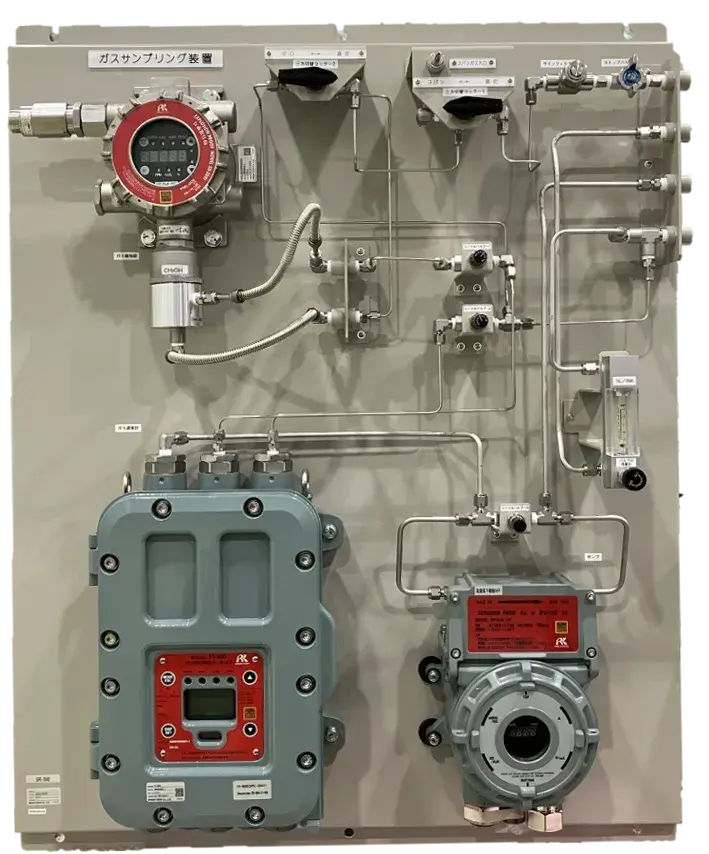
The RTGMS (Real-Time Gas Monitoring System) allows for simultaneous monitoring of multiple different gas concentrations. During the methanation process, it is essential to monitor concentrations of synthetic methane, unreacted gases such as carbon dioxide and hydrogen, as well as the displacement gas nitrogen, all at the same time . It is also worth noting that RTGMS is a more affordable solution when compared to gas chromatography (CG). Until now, gas chromatography has typically been chosen as the clear method of choice compared to other qualitative and quantitative methods of analysis for monitoring mixed gas samples during methanation. But gas chromatography uses the more costly helium as a carrier gas, whereas RTGMS uses the more affordable nitrogen or instrument air, translating into reduced running costs.instrument air, translating into reduced running costs.
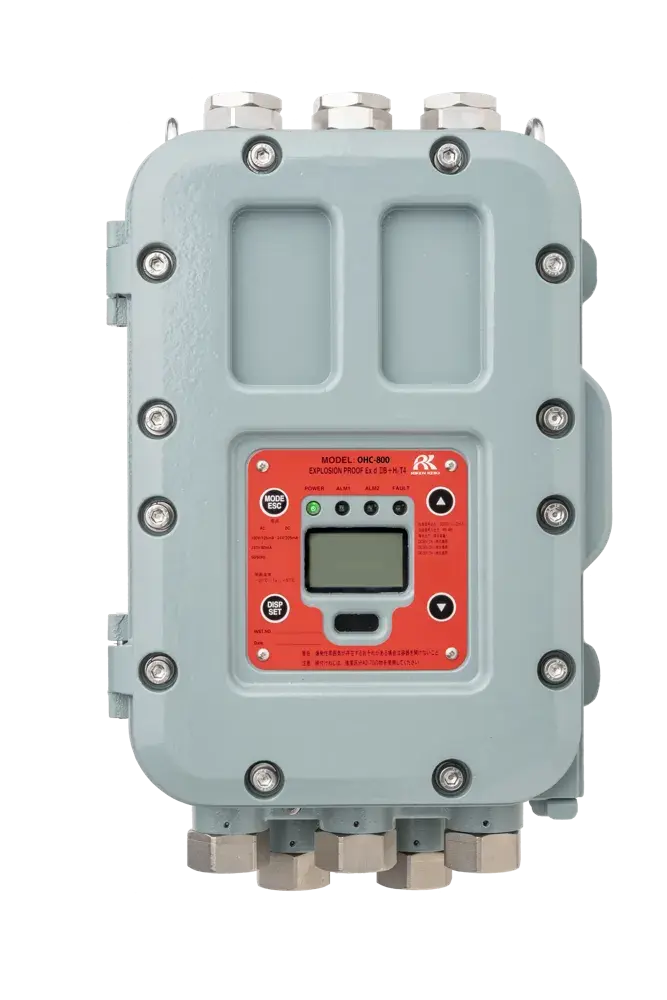
This innovative new solution is made possible by Riken Keiki’s OHC-800 Explosion-Proof Calorimeter, which combines the use of optical interferometric and ultrasonic sensors. This exclusive technology from Riken Keiki allows for continuous monitoring at a level of precision that rivals that of even conventional gas chromatography.
──In what aspects(s) of the methanation demonstration facility are Riken Keiki products used?
The OHC-800 calorimeter was used for three different processes: to measure the composition of methane and CO₂ in biogas produced by fermenting food waste; to measure the composition of CO₂, hydrogen and methane after the methanation reaction; and to measure the calorific value and Wobbe index (WI) of e-methane after calorific value adjustment. In addition, a total of nine gas detectors were also installed for monitoring e-methane and hydrogen sulfide gas leaks.
──Can you explain what parts of the methanation process require gas monitoring and why?
First of all, because the e-methane produced does not have the standard calorific value needed for city gas as-is, its calorific value must first be increased by adding liquefied petroleum gas (LPG). Gas monitoring is essential during this step. This adjustment to the standard calorific value required for city gas can be said to be one of the more important points of this demonstration experiment. E-methane production also requires combining CO₂ and hydrogen at a specific fixed ratio, and monitoring these raw materials is critical for ensuring the correct ratio is maintained. We have likewise implemented a system for monitoring e-methane before it is delivered to the various facilities where it will be used. It features an interlock system which shuts off supply automatically should the Wobbe index (a measure of the calorific value and combustibility of the gas) ever exceed a certain range. We should mention that practically all monitoring activities are performed remotely from a control room.
──Why did you choose Riken Keiki products?
There are two main reasons. Firstly, because it was a more affordable solution than gas chromatography. While we did consider using GC during the initial stages, we found it to be prohibitively expensive. The OHC-800, on the other hand, was not only cheaper than GC, but it also allowed for measurement of both calorific value and the concentration of each gas during methanation with just one device. Its outstanding cost-effectiveness was definitely very appealing.
The second reason is that OHC-800 had also already been used previously at Daigas for monitoring calorific values in LNG receiving terminals in cities such as Himeji, so it was already a product we knew we could trust. This was another important reason we ended up using the OHC-800.
──What kind of support was provided by Riken Keiki leading up to the start of operations?
First of all, Riken Keiki proposed a solution tailored to meet the gas monitoring needs and conditions of our demonstration project. We had the opportunity to work directly with the development department and discuss everything down to the last detail, so that was great.
Because water is produced as a by-product during the methanation process, we also needed to find a way to prevent water from entering the calorimeter. Riken Keiki was also able to design an affordable condensate drain unit for us based on past experience.
The sales department was also quick and responsive to our needs throughout the entire process, from the proposal and design phases to on-site installation and adjustment, which gave us great peace of mind along the way. They also responded promptly to any urgent requests, such as for additional gas detectors, cable glands or any other accessories for the calorimeter, which was greatly appreciated.
──How satisfied have you been with the products from installation up until now?
We have been using the Riken Keiki calorimeter since the experimental phase at the Maishima Waste Incineration Plant, and the gas monitoring experience has been smooth from the very beginning. E-methane concentration values measured have been consistent with theoretical values. It has allowed for precise control over the ratios of raw materials used in e-methane production, so we could not be more satisfied with the experience. We have also been using Riken Keiki gas detectors since Maishima, and we have never had a single issue with them either.

PRODUCTS
Product type |
Fixed Gas Analyzer |
|---|---|
Applications |
|
single/multi |
Single |
Want to hear from an expert?
You may also be
interested in
OHC-800 Explosion-Proof Gas Calorimeter and Riken Keiki Gas Detectors Used in e-Methane Production Demo at Expo 2025 Osaka, Kansai, Japan
Riken Keiki technology revealed new insights into Tutankhamun’s golden mask, solving part of a mystery over 3,000 years in the making.
Gas Monitoring Considerations When Using Ammonia as a Fuel
Ammonia may be key to net-zero goals as a CO₂-free energy source, aiding the shift from fossil fuels to cleaner alternatives.
Riken Keiki's OHC-800 Gas Calorimeter: Demonstrating High Accuracy in a Technology Verification Project by Japan's Digital Agency
Riken Keiki, a pioneer in industrial gas detection since 1939.
Solutions for Efficient Methanation
Methanation creates methane from CO₂ and hydrogen, offering a cleaner energy source while highlighting the need for precise gas monitoring.
Publications