


Hydrogen Sulfide


Worksites for Gas Detectors


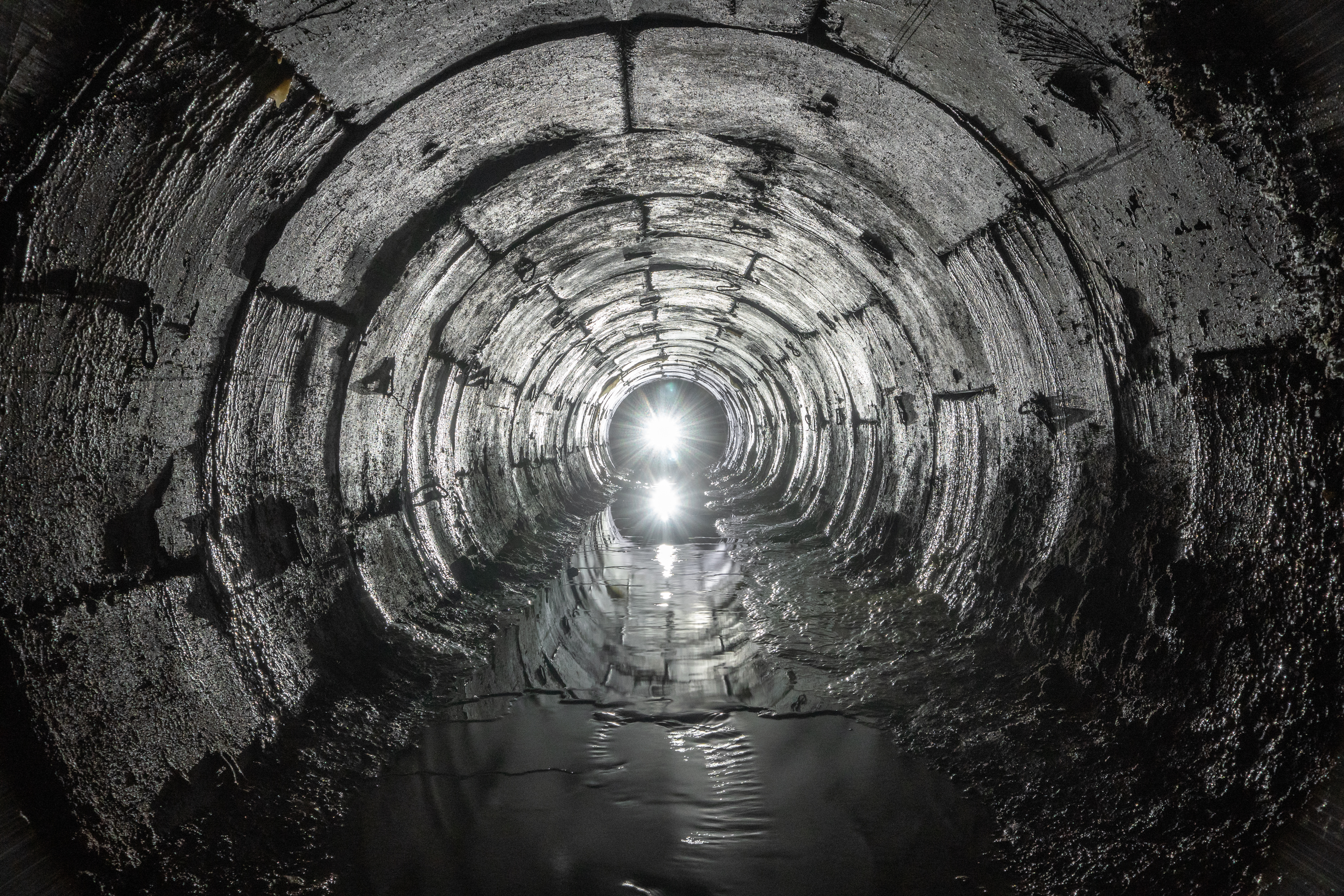
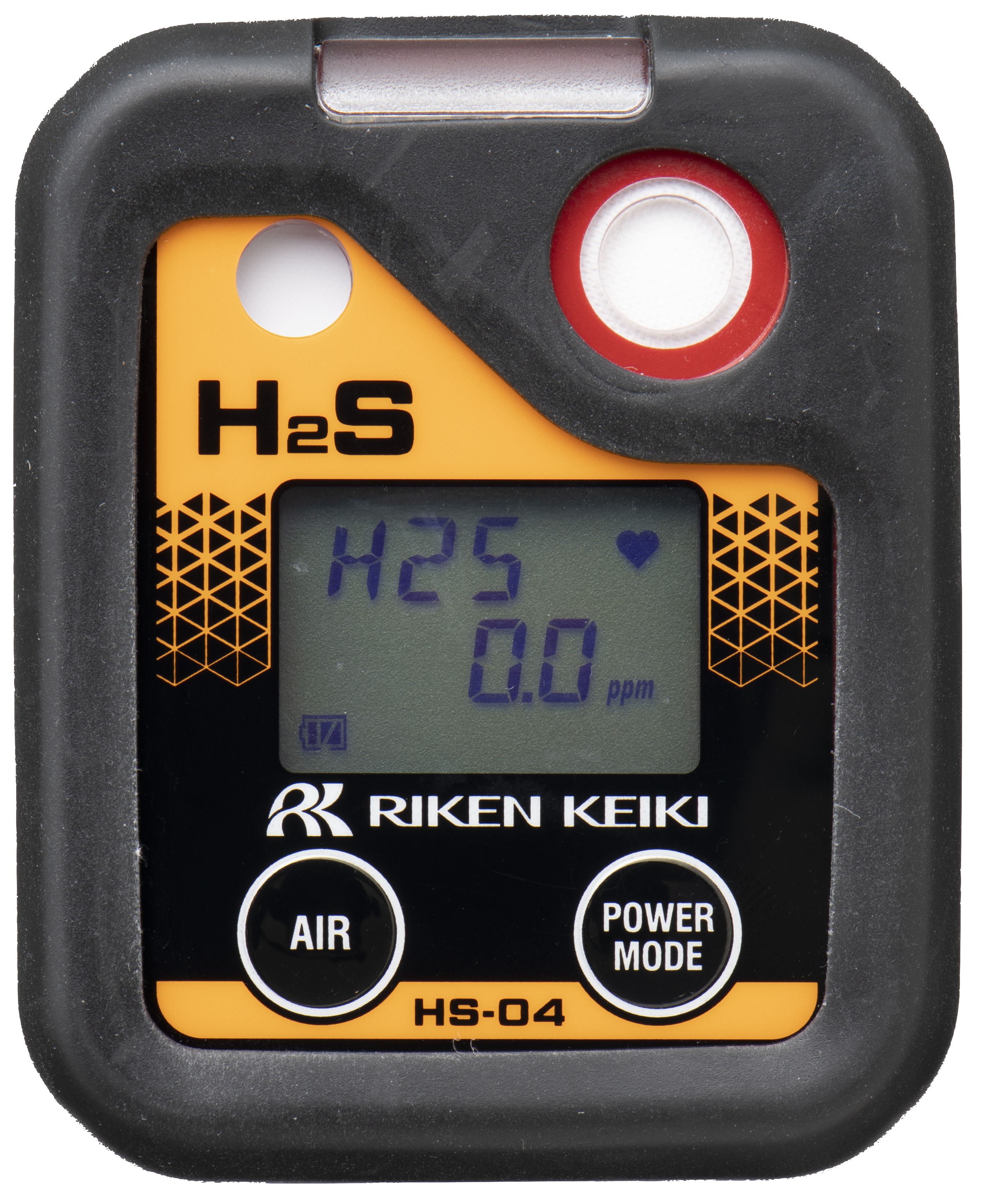
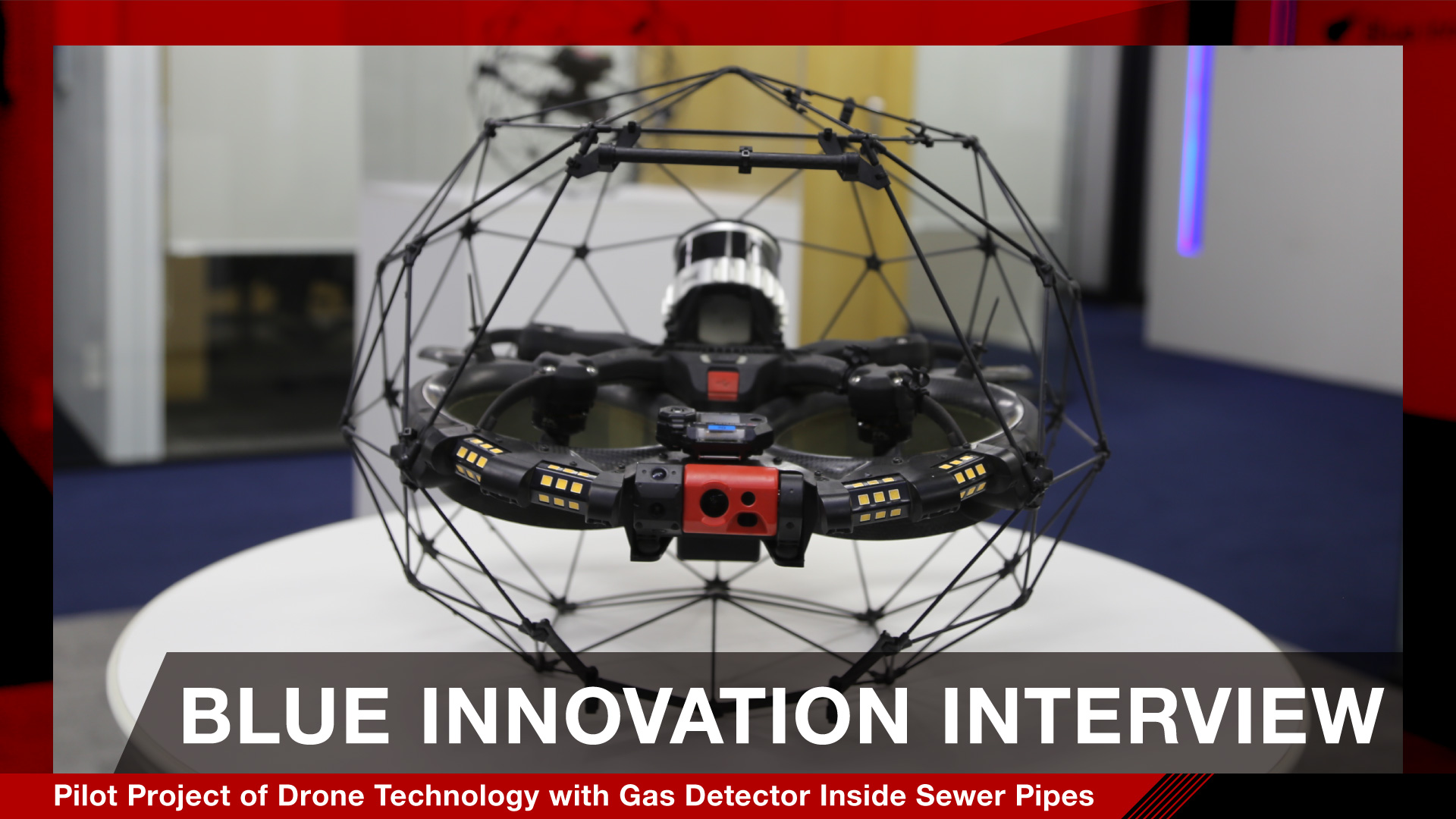
Hydrogen sulfide is typically formed as a result of the chemical reactions that take place in workplaces where sulfur compounds are used, such as the oil and gas industry. It is also commonly found in workplaces such as manholes whenever wastewater remains stagnant over long periods of time, where it is then produced by bacteria.
Why is gas monitoring necessary?
.png)
Quality
Assurance
Assurance

Explosion
Prevention
Prevention
Toxic Gas
Detection
Detection


-1.png)
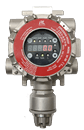
Gas Detector with Signal Converter
SD-3
Product type
Fixed Gas Detector
Single/Multi
Single
PRODUCTS



Want to hear from an expert?
Our team will be happy to help. Let’s find the right solution for you.


.jpg)



Publications

See how companies across different industries are using our advanced gas detectors to prevent accidents, ensure compliance, and enhance safety. Exclusive case studies inside!



Stay Informed