Riken Keiki gas detectors selected for the world's first ammonia-fueled vessel, Sakigake.
Table of Contents
The NYK Group has supported people's lives and economic activities as an integrated logistics company with a form of infrastructural networks of sea, land, and air. The NYK Group provides a wide range of businesses, including comprehensive logistics centered on maritime transportation, general cargo transportation, real estate, and passenger ship operations.
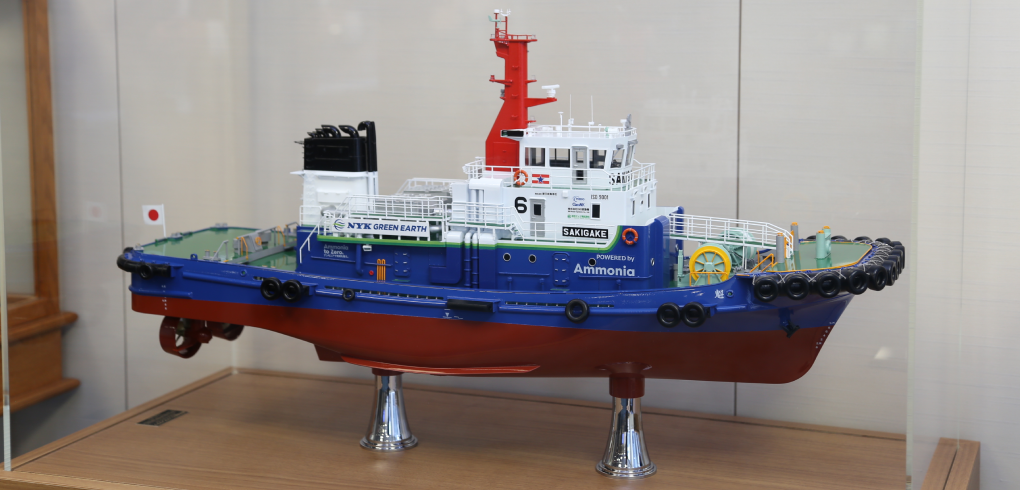
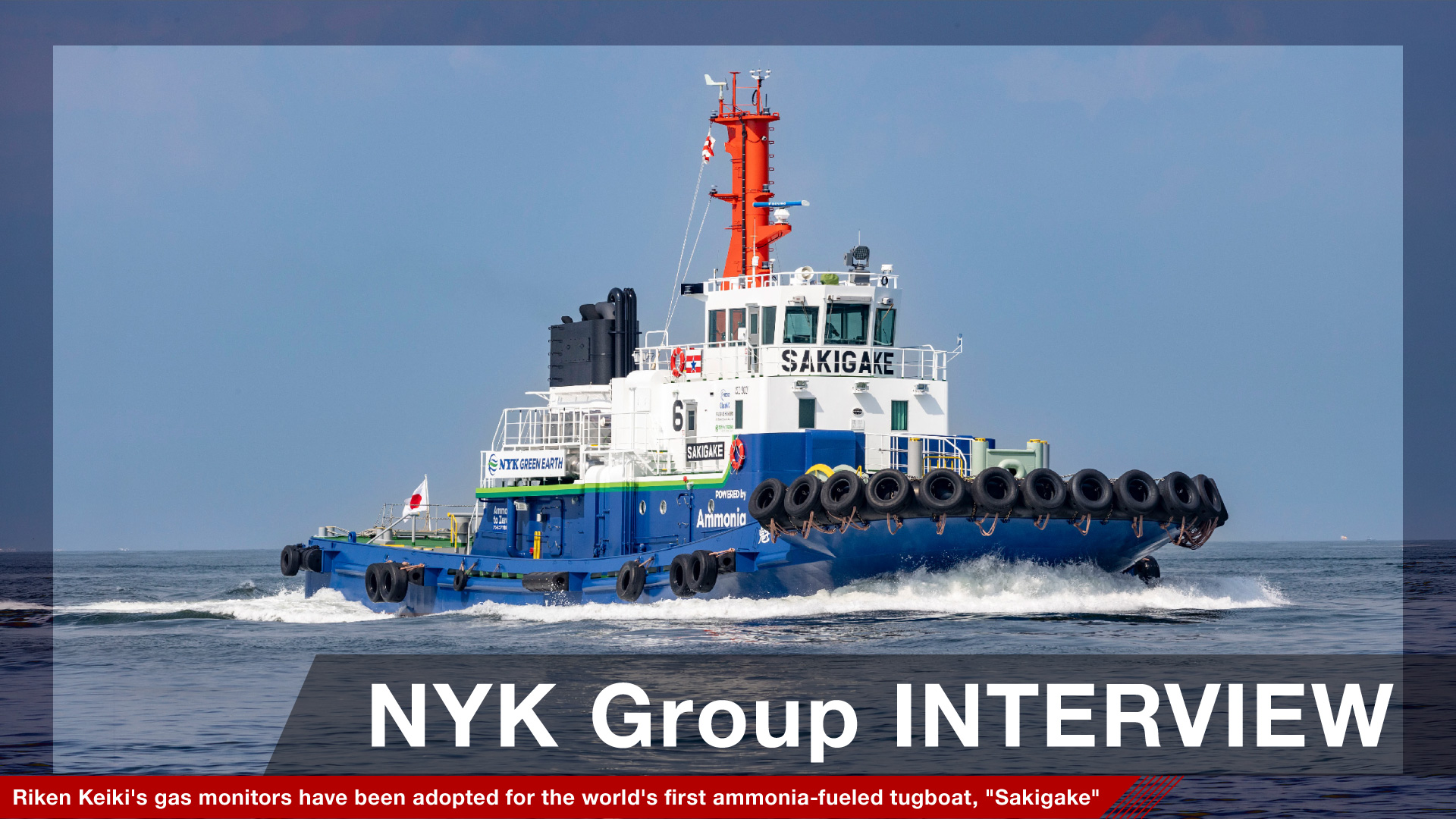
In recent years, the NYK Group have aimed to reduce greenhouse gas (GHG) emissions. In August 2024, the world's first commercially used ammonia-fueled tugboat, “Sakigake,” was completed. As part of the safety management for this project, Riken Keiki gas detectors were installed.
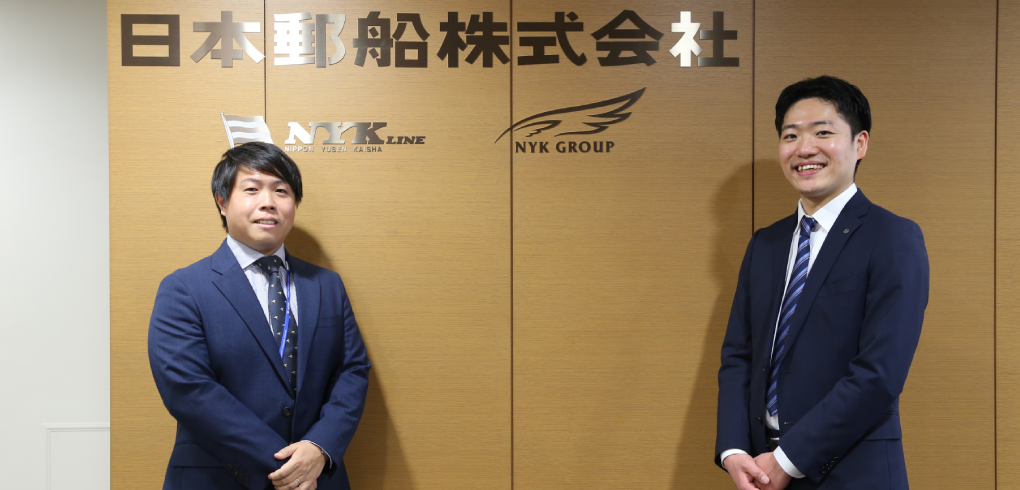
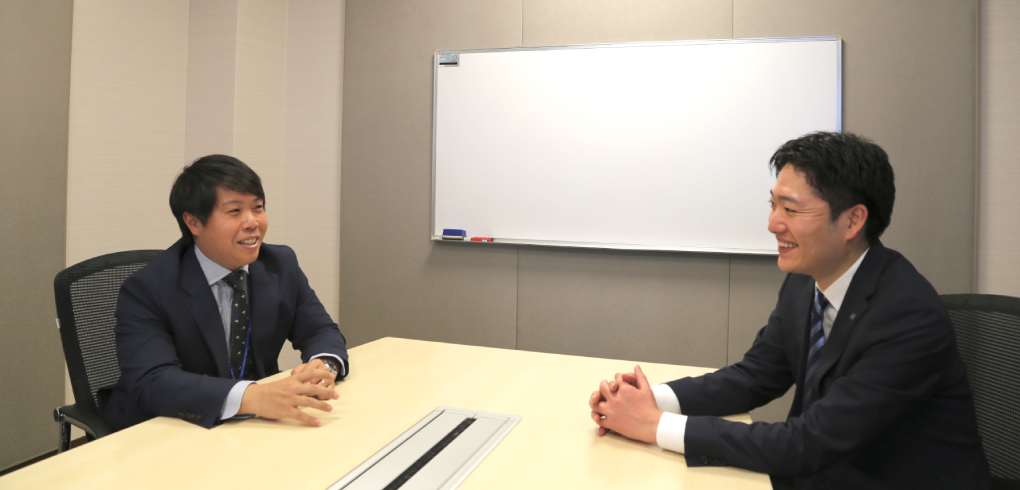
This time, we interviewed with Mr. Nonaka, Deputy Manager of the Green Technology Team in the Technical Group, who was involved in the development, design, and construction of the ammonia-fueled tugboat, “Sakigake,” about the background story of the development of ammonia-fueled tugboats and the reasons for choosing our gas detectors.
(His belonging & position as of the time of the interview in March 2025.)
Development of the world's first ammonia-fueled vessel toward achieving net-zero emissions of greenhouse gas (GHG) by 2050.
Please share the development story of the ammonia fuel tugboat (hereinafter referred to as the “A-Tug”).
As global decarbonization efforts accelerate, reducing greenhouse gas (GHG) emissions has become an urgent priority in the shipping sector. The NYK Group has set a long-term target of net-zero emissions of greenhouse gas from its vessel industry by 2050 and is advancing its environmental conservation efforts.
Heavy fuel oil is currently the primary marine fuel used, but its use emits large amounts of CO₂. Therefore, alternative fuels without CO₂ are essential for reducing greenhouse gases.
Amidst this, the NYK Group focused on ammonia, which does not emit CO₂ during combustion and is regarded as a selecting alternative for next-generation fuel.
『A-Tug』was developed in 2021 by three companies of consortium consisting of NYK, IHI Power Systems, and Nippon Kaiji Kyokai (ClassNK) with the New Energy and Industrial Technology Development Organization (NEDO) as part of the “Development of Domestic Ammonia Fuel Engine-Equipped Vessels” project and was selected for NEDO's Green Innovation Fund.
The LNG-fueled tugboat, Sakigake, which had been assisting large ships in berthing and unberthing in Tokyo Bay, was converted to ammonia fuel and completed in August 2024 as the world's first commercial-use ammonia-fueled vessel.
What safety challenges did you encounter when developing the 『A-Tug』?
Ammonia is a fuel that significantly contributes to reducing CO₂ emissions, but it is highly toxic to humans.
Even tiny amounts can increase the risk of health hazards if ammonia contact with the human body, so it requires strict safety management during use. In the event of an ammonia leak, installing gas detectors capable of rapid detection and establishing safety systems to minimize damage were essential.
『A-Tug』was developed in accordance with the Alternative Fuel Ship Guidelines established by the Nippon Kaiji Kyokai (ClassNK). These guidelines define the installation of gas detectors and safety systems as requirements.
Our Technical Group Green Technology Team in Technical Department determined the equipment, specifications, and functional requirements based on the Alternative Fuel Ship Guidelines.
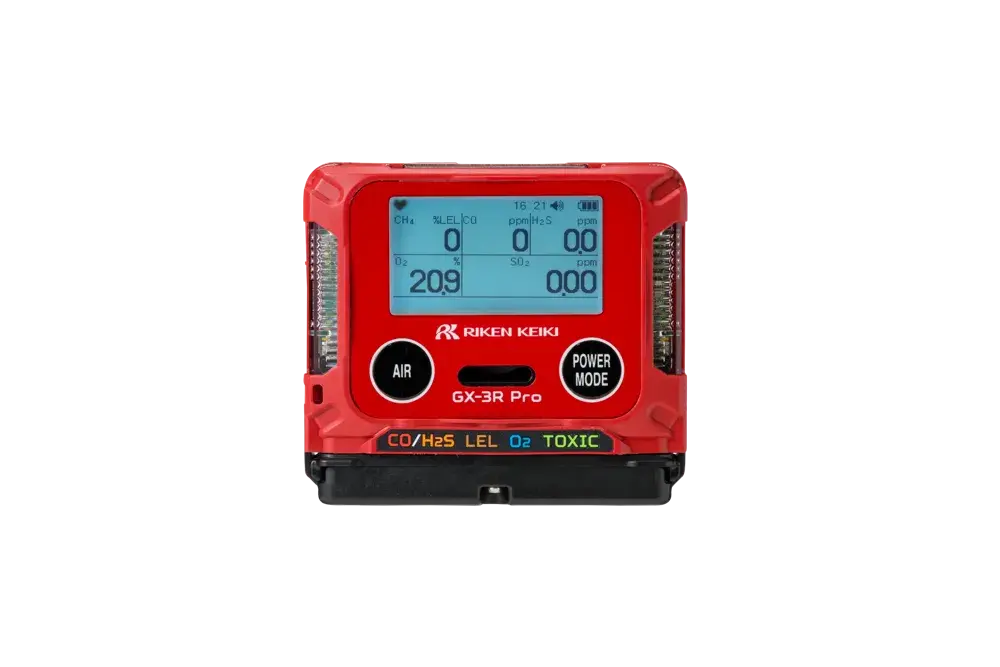
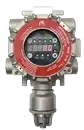
As part of safety management, Riken Keiki gas detectors have been selected.
Please tell us why you chose Riken Keiki among the many gas detectors available on the market.
One reason was that we had previously installed Riken Keiki products, such as methane gas detectors for our LNG carriers. When we began considering gas detectors suitable for the “A-Tug,” we got information that Riken Keiki was developing ammonia gas detectors for ships, which is why we reached out to Riken Keiki.
There were three main selection criteria:
First, “the specification must enable selective detection of ammonia”; Second, “it must be capable of obtaining marine certification approval”; and Third, “it must be deliverable by the scheduled completion date.”
Riken Keiki's ammonia gas detector met the specifications outlined in the Nippon Kaiji Kyokai, “Alternative Fuel Ship Guidelines,” and the qualification with its detection concentration range and detection accuracy.
Since it was developed with the goal of obtaining the type approval required for equipping vessels with marine equipment, we determined that the project could be completed on schedule and decided to select it.
After the decision was made, we worked closely with Riken Keiki to determine the number of units and design specifications. It was very helpful that they provided detailed explanations regarding after-the-sales service, including maintenance support following installation.
What kind of support service did Riken Keiki provide from the time of the decision of adaptation to its operation?
During sea trials, we experienced several unexplained increases in readings. Riken Keiki promptly adjusted the equipment, allowing us to resolve the issue quickly. We greatly appreciate your immediate response. The cause of the readings rising was due to the harsh environment specific to vessels on the sea. Unlike plants on land, ships are constantly swaying due to the influence of waves. Additionally, the engine room is hot and humid. These appears that such vibrations, temperature, and humidity affected the readings.
How satisfied are you with the system after operation?
We adjusted the system to suit such an external environment, but we are satisfied as there have been no malfunctions or issues whatsoever. Our challenge of “establishing the necessary protective barrier against ammonia leaks” has been resolved.
Please tell specific safety management for the emergency response process in the event of an ammonia leak.
When the gas concentration reaches 300 ppm, a buzzer sounds goes off and the safety system automatically activates.
Specifically, this includes shutting off the fuel ammonia supply, activating sprinklers to spray water on the leak area, and operating ventilation fans to expel ammonia to the outside.
Do you have any expectations for Riken Keiki gas detectors going forward?
Not only ammonia-fueled vessels, but many other vessels navigate all regions of the globe, including the equatorial zone and high-latitude areas.
We would like Riken Keiki to develop products that operate stably under any environmental conditions and demonstrate excellent selectivity against the ship unique vibrations, temperatures, and humidity levels on the sea.Furthermore, we believe that products capable of detecting ammonia in internal combustion engine exhaust gases would further enhance safety measures.

Aim to lead the decarbonization.
What do you expect from gas detection in areas such as fuel supply for future ammonia fuel vessel development?
During fuel supply to large tanks on ocean-going vessels, tiny amounts of ammonia may leak into the atmosphere when disconnecting and reconnecting steel pipes and hoses. We believe that safety management utilizing gas detectors are essential even during fuel supply operations.
As demand for ammonia fuel expands in the future, its fuel supply facilities are expected to be established worldwide. Naturally gas detectors that anyone can use with confidence will become indispensable.
How are support from international organizations and/or stricter regulations affecting the development of ammonia fuel vessels?
When development of the 『A-Tug』 began, there were no international guidelines, so it was developed based on the Japan Maritime Association's guidelines. Now, after its completion, the International Maritime Organization (IMO) has published draft guidelines for ammonia-fueled vessels.
While the implementation of guidelines is expected to promote the adoption of ammonia-fueled vessels, we recognize that defining excessive safety requirements in the final regulations would inevitably inflate ship prices, thereby blocking its widespread adoption.
While safety and economic efficiency are typically seen as conflicting goals, we hope the establishment of reasonable, comprehensive, and conducive regulations for practical utilization.
Please share us what you expect for the future prospects of ammonia fuel vessels.
We expect that ammonia will follow a similar path to the shift from heavy oil to LNG.
Increased demand for ammonia transport will drive the development of supporting infrastructure, and the ability to bunker ammonia fuel is expected to accelerate the adoption of ammonia-fueled vessels.
The widespread adoption of ammonia-fueled vessels should bring us closer to achieving a decarbonized society.
Last comment
The development of ammonia-fueled vessels is part of the strategy outlined in our mid-term management plan and Decarbonization Story.
To achieve these ambitious goals, we will work diligently toward realizing a sustainable society through co-creation and collaboration together with Riken Keiki and other stakeholders while we commit to next-generation fuel utilization and to a wide range of initiatives along this long journey.
PRODUCTS
Product type |
Portable Gas Detector |
|---|---|
Applications |
|
single/multi |
Multi |
Product type |
Fixed Gas Detector |
|---|---|
Applications |
|
single/multi |
Single |
Want to hear from an expert?
You may also be
interested in
Riken Keiki gas detectors selected for the world's first ammonia-fueled vessel, Sakigake.
Riken Keiki gas detectors play a crucial role in ensuring safety for the world's first ammonia-fueled vessel, Sakigake, as the shipping industry aims for net-zero emissions.
Heavy Fuel Oil and LNG
Heavy fuel oil powers global shipping with efficiency, affordability, and safety—maximizing cargo space and enabling long-distance voyages.
Publications